
Acne scars — laser treatment
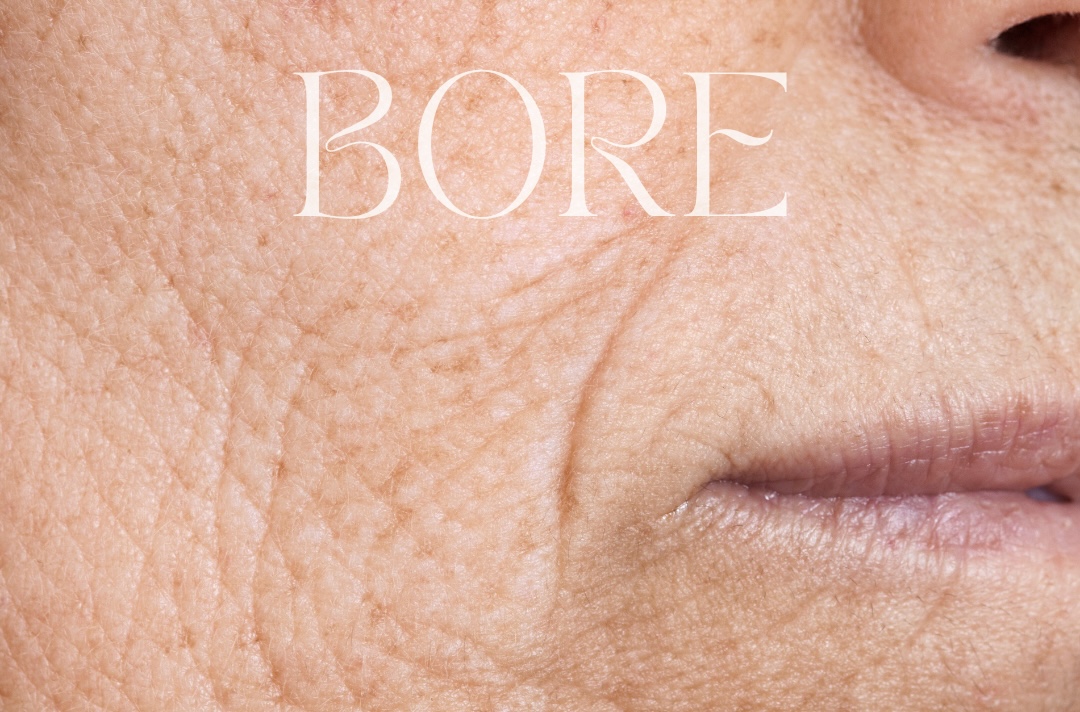
Acne scars form when the inflammatory process damages the deeper layers of the skin and changes the organisation of the collagen fibres. The result is a visible relief: depressions, waviness, pits, enlarged pores and uneven texture.
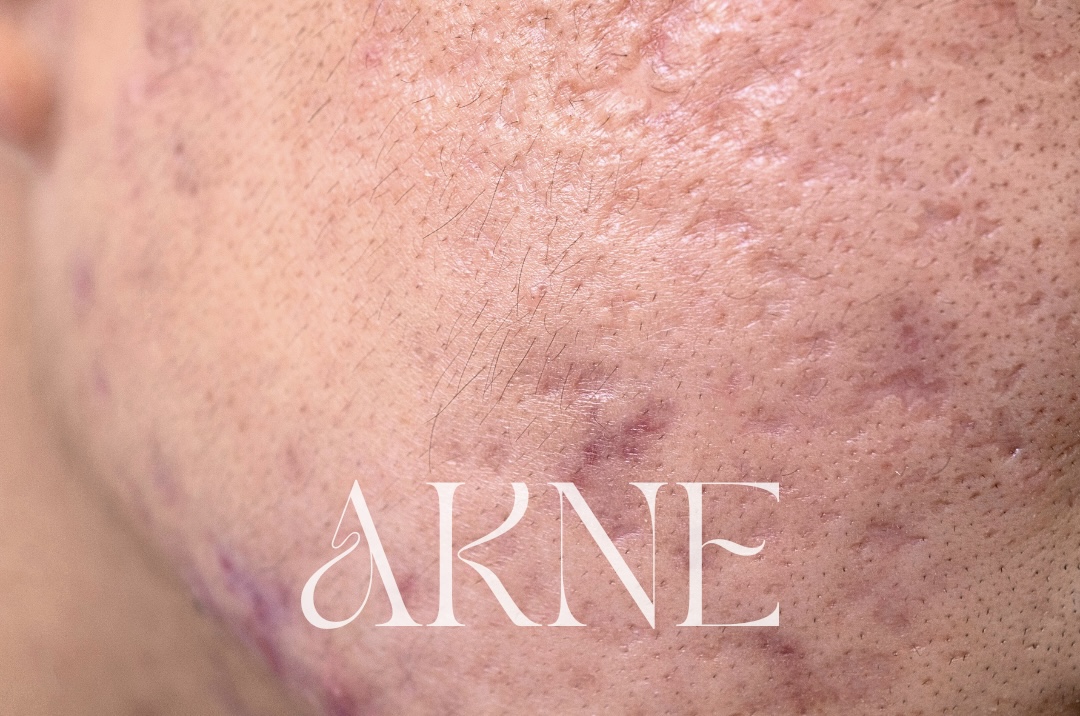
At CRYSTALIA — Laser Regeneration Institute we treat scars as a structural problem. The goal is not to polish the skin, but to remodel the dermis and restore skin quality.
1. What are acne scars and why do they form?
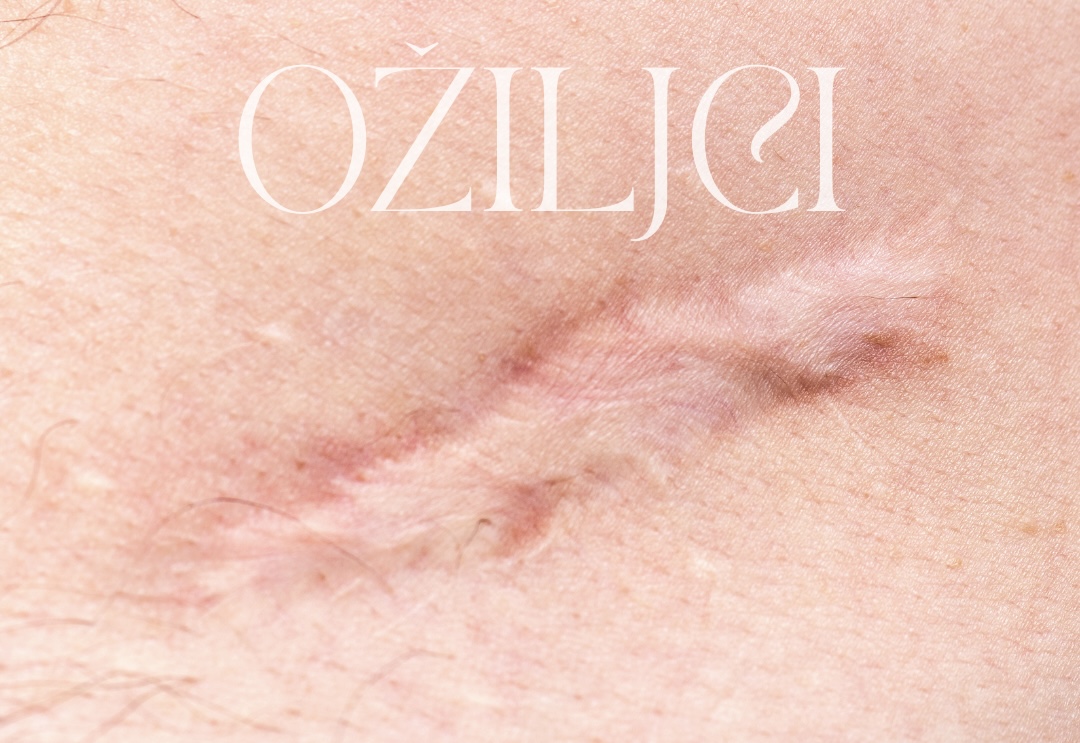
They form because of the inflammatory destruction of tissue and the way the skin heals. We distinguish atrophic scars (depressions) — the most common form, and hypertrophic scars (thickenings) — especially on the body.
An important note: active acne and scars are not the same phase of the problem. We often stabilise the inflammation first, then enter the scar protocol.
Classification is key.
Different types require different strategies. The biggest mistake is treating everything with the same protocol without assessing the dominant type.
Ice-pick scars
A small diameter, greater depth. Often the most stubborn and requiring a more precise approach.
Boxcar scars
Wider, box-shaped depressed scars with a clear edge.
Rolling scars
Wider depressions and waviness visible in movement. Fibrous bands beneath the skin are often present.
3. Laser treatment: what to expect
The laser can improve the skin's texture (levelling depressions), the visibility of pores, the edge transitions of scars and the overall quality of the skin.
A key reality: this is a process, not an instant solution. The goal is a measurable improvement in structure, not erasing the past.
Three steps to a plan.
1. Consultation and assessment
We assess the type of scars (ice-pick, boxcar, rolling, combinations), the depth and distribution, the presence of active inflammation, the phototype and the risk of post-inflammatory hyperpigmentation, and previous treatments.
2. An individual plan
The plan determines the intensity and type of laser approach, the intervals between treatments, seasonality and photoprotection, and realistic goals.
3. A serial approach
Post-acne scars are remodelled gradually. We monitor the skin's response and adjust the parameters through the series.
The interval matters — the skin needs time to remodel collagen.
Mild scars / surface texture.
Moderate (mixed) scars.
Deeper, long-standing and combined scars — often over a year.
6. Recovery after laser treatment
Most commonly: redness and a feeling of warmth for the first 24–72 h, dryness, flaking and sensitivity, gradually calming down. Results are not measured only immediately — the most important part comes over weeks and months.
7. Safety: risks and prevention
Risks: PIH (dark spots) — especially in darker phototypes, prolonged redness, irritation, herpes reactivation.
Measures: good patient selection, correct intervals and dosing, strict photoprotection and gradual care.
8. Who is a good candidate?
The best candidates do not have strong active inflammation (or the acne is stabilised), have realistic expectations, are ready to complete a series of treatments and follow the aftercare. If you have active acne — we often first set up a plan to control the inflammation, and only then move to more intensive protocols.
What patients most often ask.
Can the laser remove acne scars completely?
As a rule, not "as if they were never there" — but a measurable and visible improvement in texture, depth and edge transitions of the scars is often achieved. The goal is to remodel the structure, not erase the past.
When is the first result visible?
Part of the change is seen after healing, but the most important part comes over weeks and months — as the skin remodels collagen, especially after a series of treatments.
Is the treatment painful?
It depends on the protocol and region. We use standard methods of reducing discomfort (anaesthetic cream, cooling) — the goal is a controlled, tolerable treatment.
Can I treat scars in summer?
Sometimes yes, but with strict photoprotection and a more conservative protocol. Stronger treatments are safer to do during periods of lower UV exposure.
Will the acne return after the treatment?
Scar treatment does not remove the tendency to acne. If there is active inflammation, we first set up a plan to control the acne, and only then the scar protocol.
Once a month — free consultations.
Once a month we hold a day of free consultations at Crystalia. All patients registered for consultations that day receive:
We analyse your skin, the type of scar or other concerns with a detailed history of past conditions.
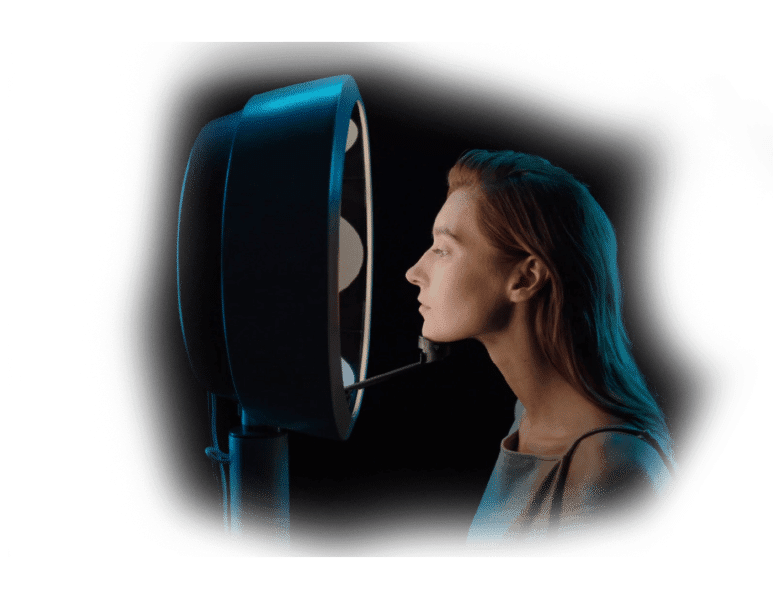
We digitally measure the texture, pigmentation, redness and structure of the skin to see what is often invisible to the eye.
You receive a clear, structured plan — the number of treatments, intervals, realistic expectations and the long-term goal.
Click the category that interests you.
Book a consultation
Crystalia — Laser Regeneration Institute · Postrojbi specijalne policije 5, Zadar · Tel. 023-324-881 · crystalia.institute@gmail.com
Book a consultation →