
Burns — laser scar treatment
Scars after burns are not just an aesthetic problem. They are often structurally and functionally more demanding than other scars.
1. What are scars after burns and why are they a special category?
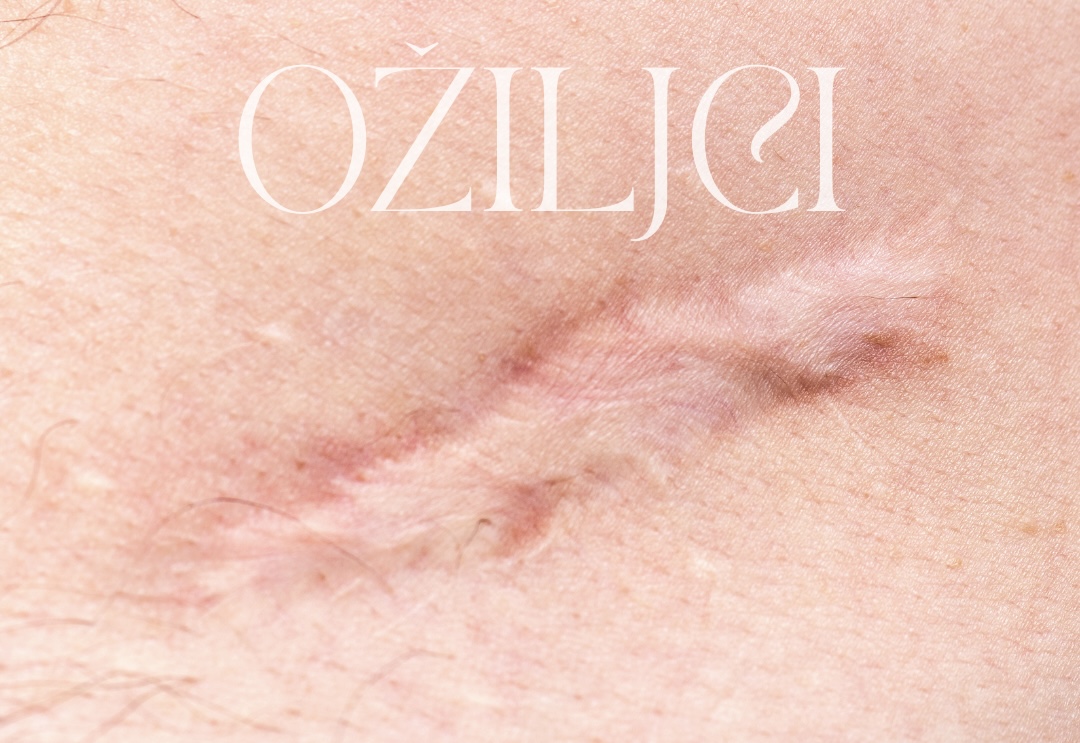
Burns often affect the deeper layers of the skin and trigger a long healing process. A scar after a burn can have: thickened scar tissue (hypertrophy), contractures (shortening and tightening of the tissue that restricts movement), prolonged redness/vascular activity, a pigmentation disorder (darker or lighter zones), a change in sensation (hypersensitivity or reduced sensation) and a tendency to dryness and irritation.
2. Which scars after burns do we most often treat?
Most often, patients present with hypertrophic scars after burns (raised, hard, red), areas of tightening and reduced elasticity, scars in functionally important regions (around joints, the neck, the hand), prolonged discolouration, and an uneven texture and transition into the surrounding skin.
3. What can laser treatment improve with burns?
The laser approach can help to soften and "relieve" the scar tissue (less hardness and tension), improve the elasticity and flexibility of the skin, reduce redness in active scars, level the texture and uneven edges, reduce itching and irritation in some patients, and improve the overall quality of the skin around the scar.
Important: scars after burns often require a longer plan and sometimes several phases of therapy.
4. When is the best time for treatment?
Timing is key and always individual. General principles: treatment is planned only when the skin is stable and completely healed; for scars showing signs of problematic hypertrophy, an early assessment is useful; with older scars, an approach is possible but sometimes takes more time and sessions.
Gradual and carefully monitored.
1. A medical scar assessment
The depth and character of the scar tissue, the degree of thickening, hardness and elasticity, whether there is tightening or restriction of movement, the colour (redness/pigment), phototype and the state of the skin.
2. An individual therapy plan
Goals (texture, elasticity, redness, function), intervals between treatments, the expected number of sessions and duration of the plan, a care and photoprotection protocol.
3. A serial approach and monitoring
With burns, it is most important to proceed gradually. The skin's reaction is carefully monitored and the protocol is adjusted.
Approximately — depending on the tissue and goal.
Milder changes in texture and colour.
Hypertrophic scars and tissue tension — a plan in phases.
Functionally disruptive scars — an individual approach.
The number of treatments depends on the age of the scar, the depth and hardness of the tissue, the location and skin tension, and the phototype and risk of pigment changes.
7. Recovery after treatment
It often includes redness and a feeling of warmth, dryness and sensitivity, sometimes flaking or a "bronzing" effect. With scars after burns, the skin can be more sensitive, so aftercare is especially important.
8. Safety and possible side effects
The most common side effects are transient, but risks exist: post-inflammatory hyperpigmentation (PIH) — especially in higher phototypes and with sun exposure, prolonged redness or sensitivity, irritation and dryness, and rarely infection. That is exactly why treating burns requires a medical approach and conservative dosing.
9. Who is a good candidate?
Scars after burns are a good candidate if the scar is thickened, hard or aesthetically very visible, there is a feeling of tightening or reduced elasticity, redness and activity last a long time, and you want a gradual improvement through a controlled plan. If you have a fresh burn or the skin is not yet stable, we first assess the healing phase and the safety of the procedure.
What patients most often ask.
Can a scar after a burn be removed completely?
As a rule, not in the sense of "skin as before". But it is often possible to make the scar softer, more elastic, less red and less visible, with a better transition into the surrounding skin.
Can the laser help with tightening and contractures?
In some patients it can significantly help in terms of softening and improving elasticity. If there is a greater functional limitation, the plan is made individually and sometimes in combination with other therapies.
Is the treatment painful?
It depends on the region and protocol. The goal is a tolerable and controlled treatment, with standard methods of reducing discomfort.
Can the treatments be done in summer?
Sometimes yes, but with strict photoprotection and often a more conservative protocol. Stronger treatments are, as a rule, safer to plan during periods of lower UV exposure.
Once a month — free consultations.
Once a month we hold a day of free consultations at Crystalia. All patients registered for consultations that day receive:
We analyse your skin, the type of scar or other concerns with a detailed history of past conditions.
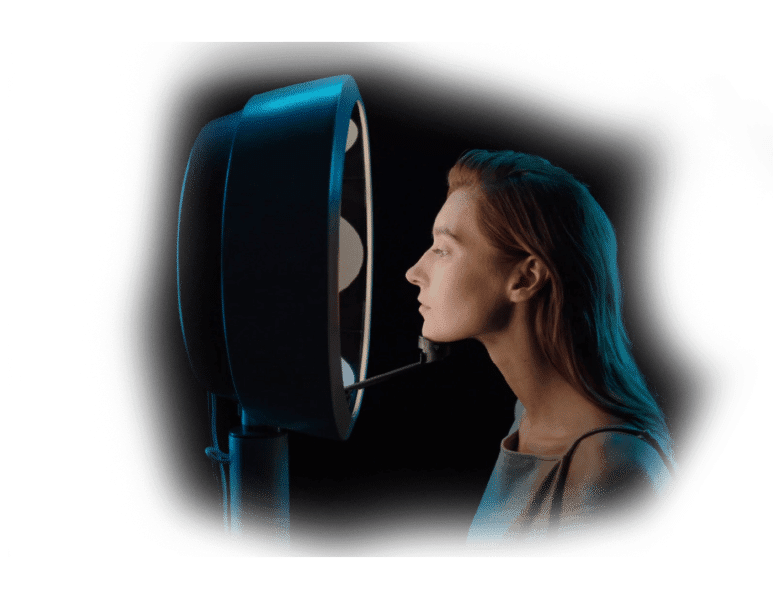
We digitally measure the texture, pigmentation, redness and structure of the skin to see what is often invisible to the eye.
You receive a clear, structured plan — the number of treatments, intervals, realistic expectations and the long-term goal.
Click the category that interests you.
Book a consultation
Crystalia — Laser Regeneration Institute · Postrojbi specijalne policije 5, Zadar · Tel. 023-324-881 · crystalia.institute@gmail.com
Book a consultation →