
Traumatic scars — laser treatment
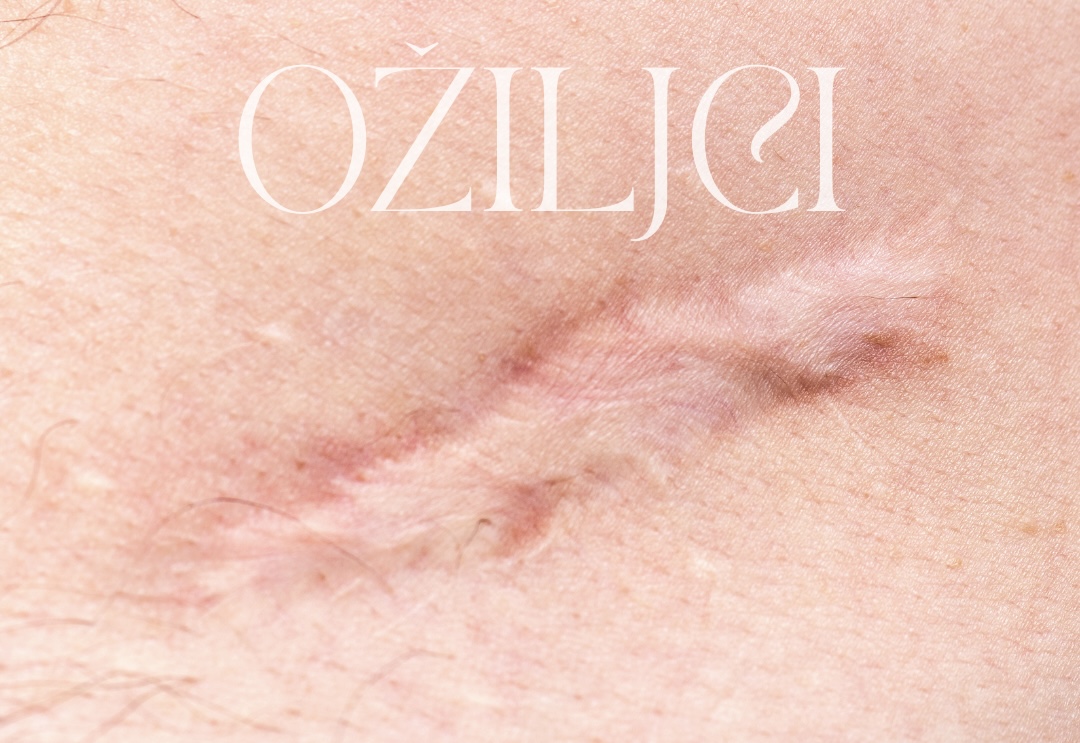
Traumatic scars form after injuries: cuts, lacerations, falls and traffic accidents — on the skin and the tissue beneath it.
1. What are traumatic scars and why are they more demanding?
A traumatic wound often involves irregular tissue damage of varying depths, wound contamination with an increased risk of inflammation, tension and tissue loss in torn wounds, and a longer healing process with a stronger inflammatory phase. That is why traumatic scars often require a more careful assessment and a plan in phases.
Five typical pictures.
Red and "active"
The scar stays red, sensitive and sometimes itchy for a long time — the tissue is in a phase of increased vascular activity.
Thickened and hard (hypertrophic)
The scar is raised, hard and sometimes tight. More common on the shoulders, chest, back and around the joints.
Depressed (atrophic)
These can appear with wounds that healed more slowly or with tissue loss.
Pigmented
The scar can be darker (post-inflammatory hyperpigmentation) or lighter (hypopigmentation) than the surrounding skin.
Functionally disruptive
At locations near joints or areas of constant movement, it can restrict movement.
3. Laser treatment: what can be improved
Texture and relief, hardness and elasticity, redness, discolouration, and the quality of the surrounding skin.
4. When is the best time for treatment?
Treatment depends on whether the scar is fresh (in the remodelling phase) or mature (stable, older). Signs of problematic healing — prolonged redness, thickening, itching, tightening — can be a reason for an earlier assessment.
Assessment, plan, series.
1. Examination and assessment
The type of scar, activity, location and skin tension, phototype and the risk of post-inflammatory hyperpigmentation, healing history.
2. An individual plan
A strategy for texture and hard tissue, an approach to colour, intervals between treatments, and care and photoprotection instructions.
3. A serial protocol and monitoring
Traumatic scars improve gradually, through phases, with adjustment of the parameters.
An approximate number of treatments.
Milder traumatic scars.
Moderate scars.
Thickened or functionally disruptive scars.
7. Recovery after treatment
Recovery includes redness and a feeling of warmth, dryness and sensitivity, sometimes flaking or a "bronzing" effect. For scars on the body, recovery can be somewhat longer than on the face.
8. Safety and possible side effects
The most common risks: PIH (darkening), prolonged redness, irritation or worsened sensitivity, and rarely infection. Photoprotection and aftercare are a key part of the plan.
9. Who is a good candidate?
Traumatic scars are a good candidate if the scar is visible, uneven, hard or tightens, there is redness or discolouration, and you want a gradual improvement in skin structure. If you have a history of keloids or markedly hypertrophic healing, the plan is made more cautiously.
What patients most often ask.
Can a traumatic scar be removed completely?
As a rule, not in the sense of "as if nothing happened". But it is often possible to make the scar considerably less visible, softer and with a better transition into the surrounding skin.
Is it normal for a scar to be red for months?
It can be, but prolonged redness sometimes means the scar is "active" and that remodelling is ongoing — that is a reason for an assessment.
What if the scar tightens and restricts movement?
That is an important indication. A scar in an area of movement can create tension and discomfort — therapy can soften the tissue and improve elasticity.
Can I treat the scar in summer?
Sometimes yes, but with strict photoprotection. Stronger treatments are generally safer to do during periods of lower UV exposure.
Once a month — free consultations.
Once a month we hold a day of free consultations at Crystalia. All patients registered for consultations that day receive:
We analyse your skin, the type of scar or other concerns with a detailed history of past conditions.
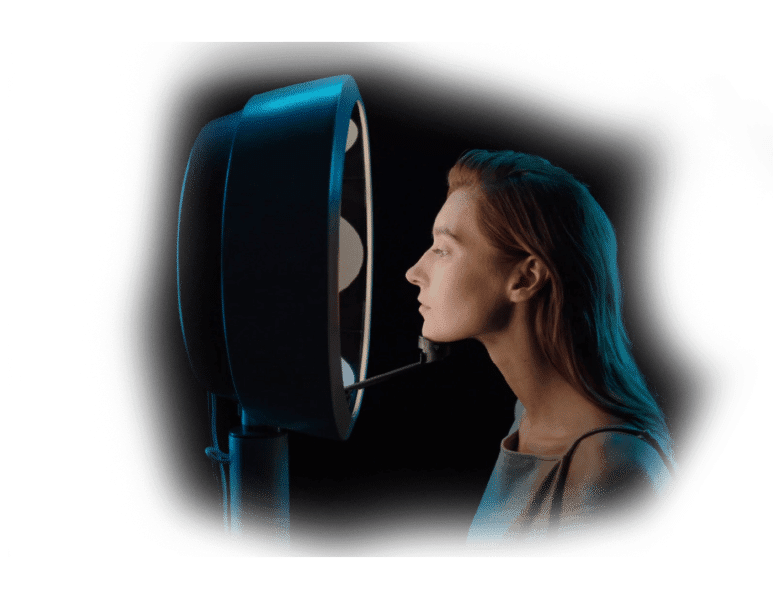
We digitally measure the texture, pigmentation, redness and structure of the skin to see what is often invisible to the eye.
You receive a clear, structured plan — the number of treatments, intervals, realistic expectations and the long-term goal.
Click the category that interests you.
Book a consultation
Crystalia — Laser Regeneration Institute · Postrojbi specijalne policije 5, Zadar · Tel. 023-324-881 · crystalia.institute@gmail.com
Book a consultation →