
Laser haemorrhoid treatment
Laser precision for a faster recovery. Feeling discomfort, itching or pain in the anal region? Laser haemorrhoid treatment — without hospitalisation, without conventional surgical incisions.
What are haemorrhoids?
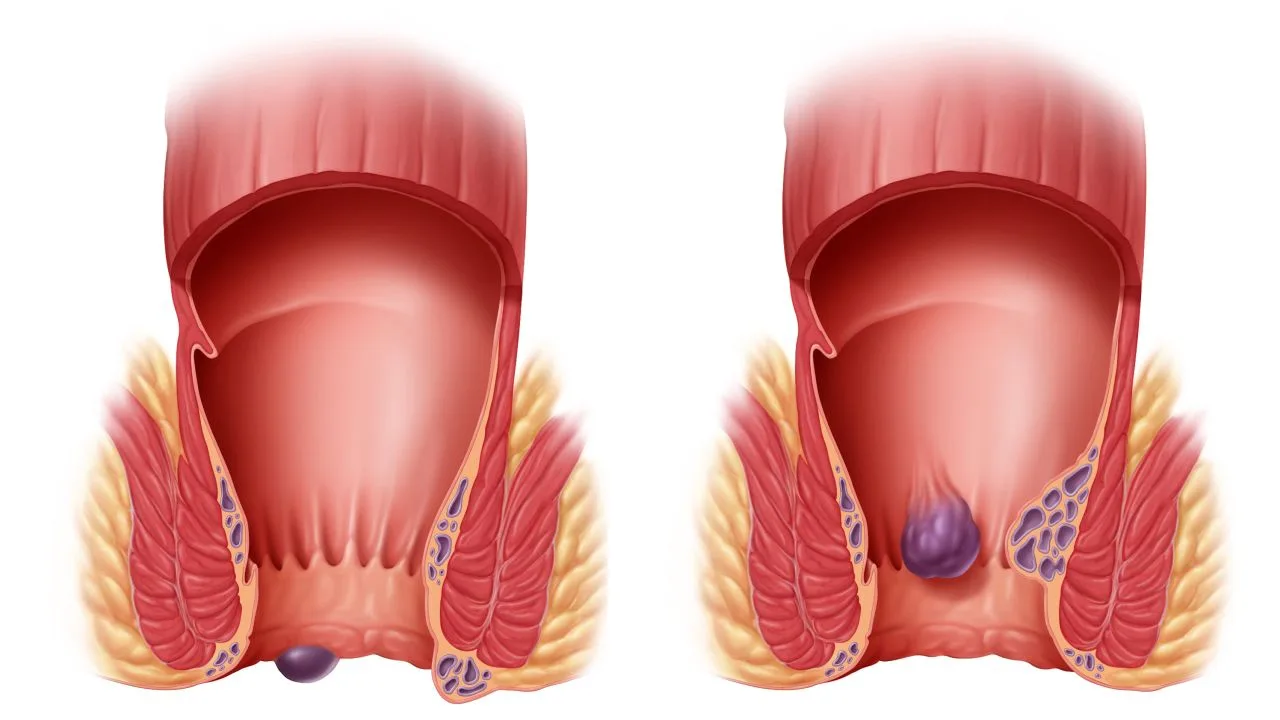
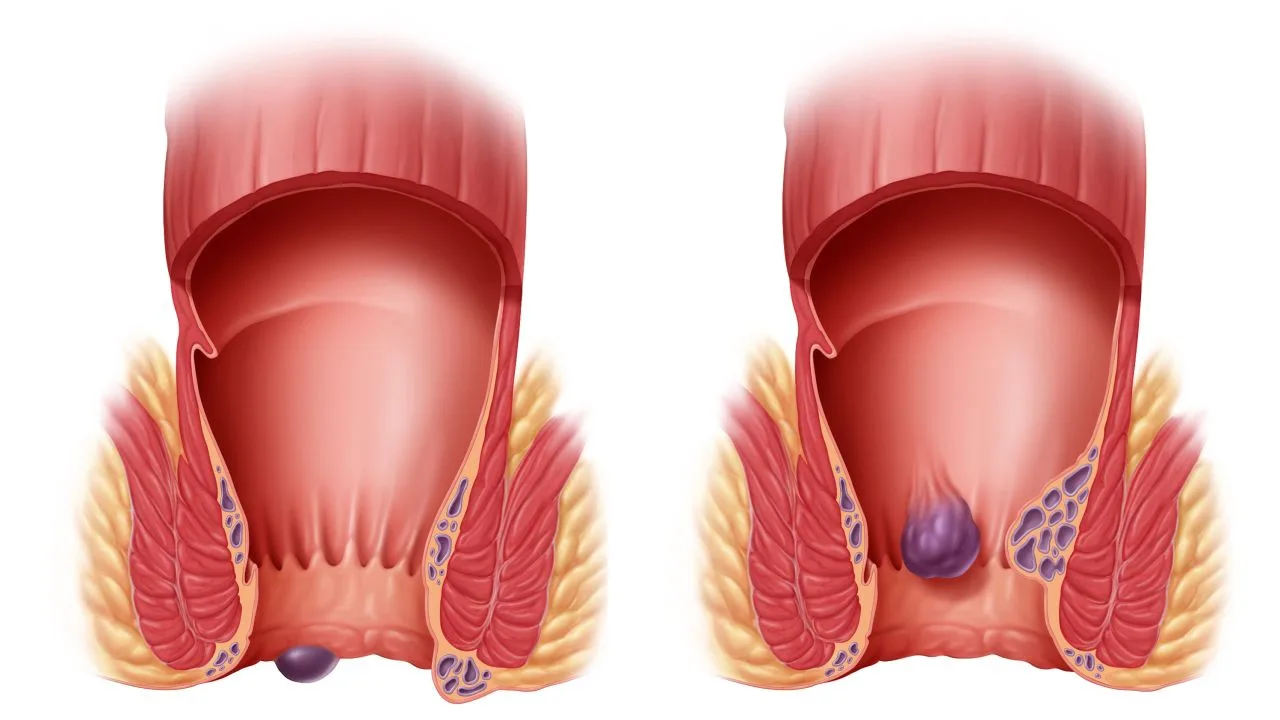
Haemorrhoids are dilated blood vessels in the anal area that can cause discomfort, itching, pain and bleeding during bowel movements. There are:
Internal — located inside the rectum, usually painless but with bleeding. External — visible outside the anus, causing itching and pain. Combined — a combination of internal and external.
Timely treatment is important to ease symptoms, prevent complications and improve quality of life.
The procedure itself is performed under spinal or intravenous anaesthesia as an outpatient procedure — you go home the same day, and most patients return to everyday activities within a few days.
When to see a proctologist.
- Bleeding during bowel movements
- Itching and burning in the anal area
- A feeling of pressure or the appearance of a lump
- Pain when sitting or passing stool
The most common causes:
- Constipation or frequent diarrhoea
- Prolonged sitting or standing
- Pregnancy
- A hereditary predisposition
- Excess weight
Six reasons patients choose the laser.
Precision
The laser acts precisely on the dilated blood vessels without damaging the surrounding healthy tissue.
Minimally invasive
An outpatient procedure — no surgical incisions, no hospitalisation.
Less bleeding
Laser cauterisation during the procedure — an almost bloodless process.
Lower infection risk
The antimicrobial properties of laser energy reduce the risk of complications.
Faster recovery
Less tissue trauma — back to everyday life in a few days.
No hospital stay
An outpatient procedure — you go home the same day.
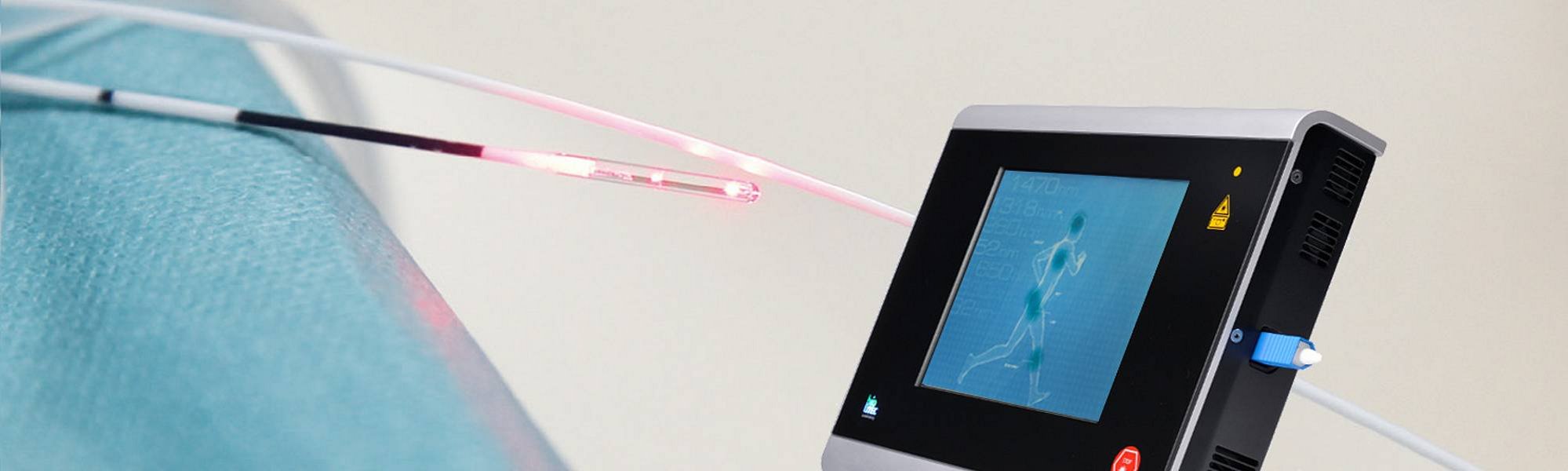
The BioLitec Leonardo laser.
The pinnacle of technology in medicine — it enables exceptionally precise and painless minimally invasive procedures. Our specialists trained in Germany in laser abdominal surgery.
Five steps to relief.
From the first consultation to full recovery — follow how the laser works for you.
- Korak 01
Consultation
Assessment of the haemorrhoid stage, a discussion of expectations and the treatment approach.
- Korak 02
Preparation
Guidelines on diet and medication a day or two before the procedure.
- Korak 03
Laser procedure
Spinal or IV anaesthesia; precisely targeted laser energy on the dilated vessels.
- Korak 04
Recovery
A quick return to activities — without painful dressing changes and long convalescence.
- Korak 05
Follow-ups
Regular follow-up examinations and advice on preventing recurrence.
Who leads the procedure.
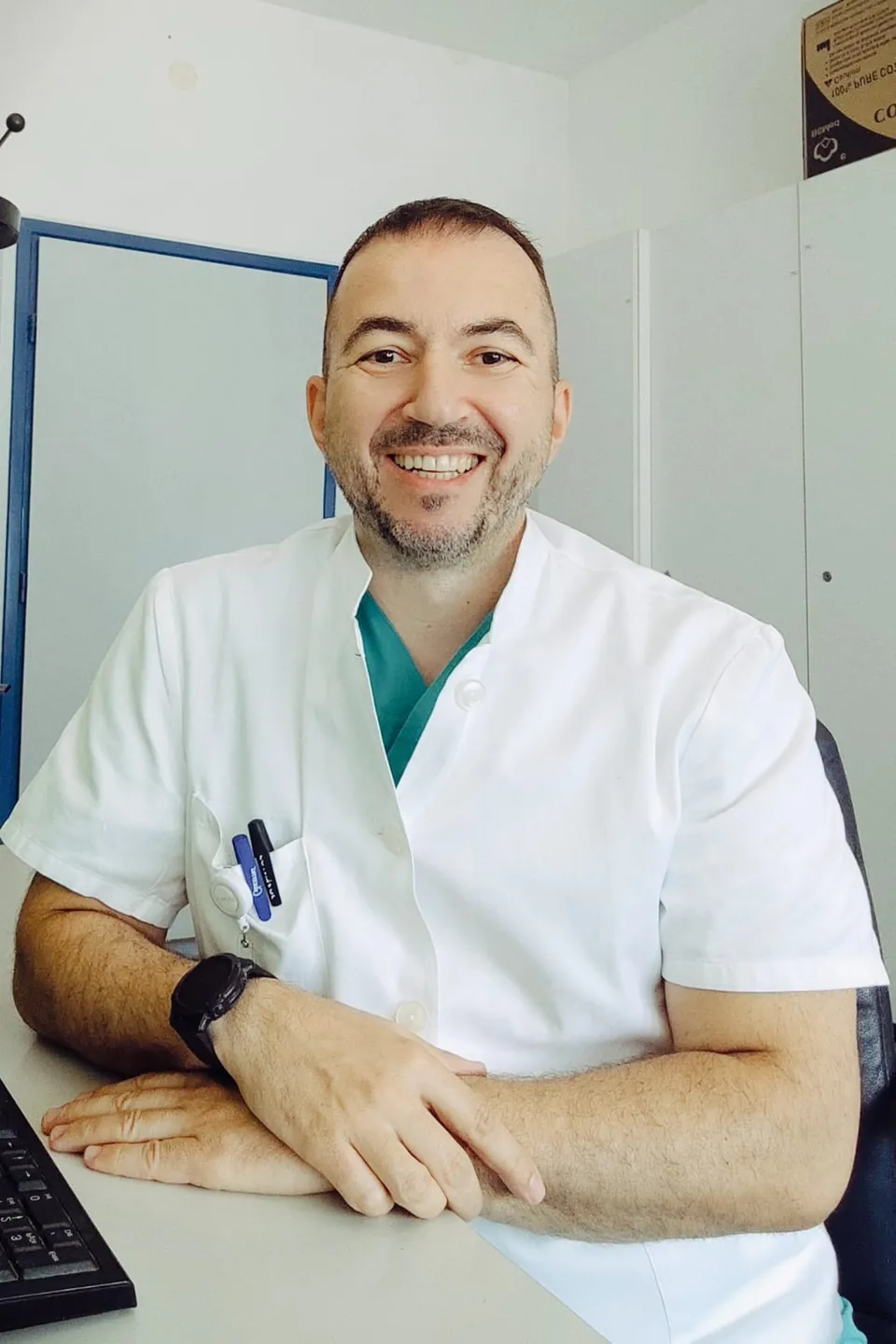
Dr. Zvonimir Katušić
general surgery specialist · subspecialist in abdominal surgery
View profile →
Dr. Dario Vukosav
general surgery specialist · subspecialist in abdominal surgery
View profile →Medically reviewed by: Dr. Zvonimir Katušić and Dr. Dario Vukosav, general surgery specialists · Content last reviewed:
Laser haemorrhoid treatment — common questions.
Does laser haemorrhoid treatment hurt?
The procedure is performed under spinal or intravenous anaesthesia, so you feel no pain during it. Because the laser works without conventional surgical incisions, pain and discomfort afterwards are considerably less than with conventional surgery, and painful dressing changes are avoided.
How long is recovery after a laser procedure?
It is an outpatient procedure after which you go home the same day. Most patients return to everyday activities within a few days, and the exact recovery course depends on the haemorrhoid stage and the surgeon's assessment.
What anaesthesia is used?
Laser haemorrhoid treatment is most often performed under spinal or intravenous (IV) anaesthesia. The type of anaesthesia is determined by the doctor based on the extent of the procedure and your health.
Is hospitalisation required?
No. The procedure is outpatient — no overnight hospital stay. After a short observation you go home the same day.
Can haemorrhoids come back after laser treatment?
The laser method has a lower recurrence rate than many conventional procedures, but recurrence is not entirely ruled out. A healthy lifestyle, a fibre-rich diet and avoiding prolonged straining significantly reduce the risk of recurrence.
Do I need a referral and how do I book?
No referral is needed — the examination and procedure are carried out privately, without waiting. You book directly by phone at +385 23 324 881 or via the booking form.
Relief without hospitalisation.
Tel. +385 23 324 881 · E-mail: poliklinika.kranjcec@gmail.com
Book an appointment →