
Otoplasty — ear correction
Otoplasty, also known as ear surgery, is an aesthetic surgical procedure intended to improve the appearance of the ears (prominent, i.e. protruding, ears).
What does otoplasty correct?
The procedure can be used to correct a range of concerns, including protruding ears, deformed ears and asymmetrical ears.
Physical and psychological benefits
Otoplasty can provide both physical and psychological benefits for patients. Physically, otoplasty can improve the shape, position and proportions of the ears, resulting in a more balanced and aesthetically pleasing appearance.
Psychologically, otoplasty can improve self-confidence and self-esteem, as well as reduce feelings of discomfort or embarrassment about the appearance of the ears. Real-life examples show how otoplasty has positively affected patients' lives — increased social confidence, better performance at work or school, and improved quality of life.
What does the procedure look like?
The otoplasty procedure usually involves anaesthesia, incisions behind the ear and reshaping of the ear cartilage and/or skin. Depending on the needs, the surgeon may use techniques such as scoring the cartilage, removing cartilage or suturing.
The procedure usually takes one to two hours, and patients can usually return home the same day.
Choosing a surgeon and the consultation
When choosing a surgeon for otoplasty, it is important to choose someone who is qualified and experienced in the procedure. If you are considering otoplasty as a possible solution, we recommend booking a consultation with our clinic — we will discuss your goals, concerns and expectations, assess whether you are a candidate for the procedure and create a personalised treatment plan.
A transformation that restores confidence.
A 16-year-old boy who underwent otoplasty to correct the appearance of his ears.
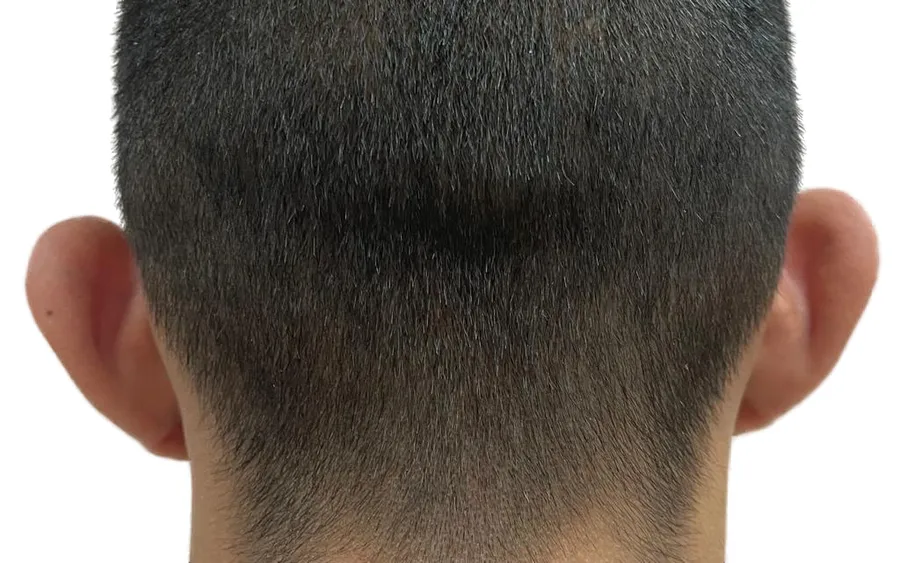
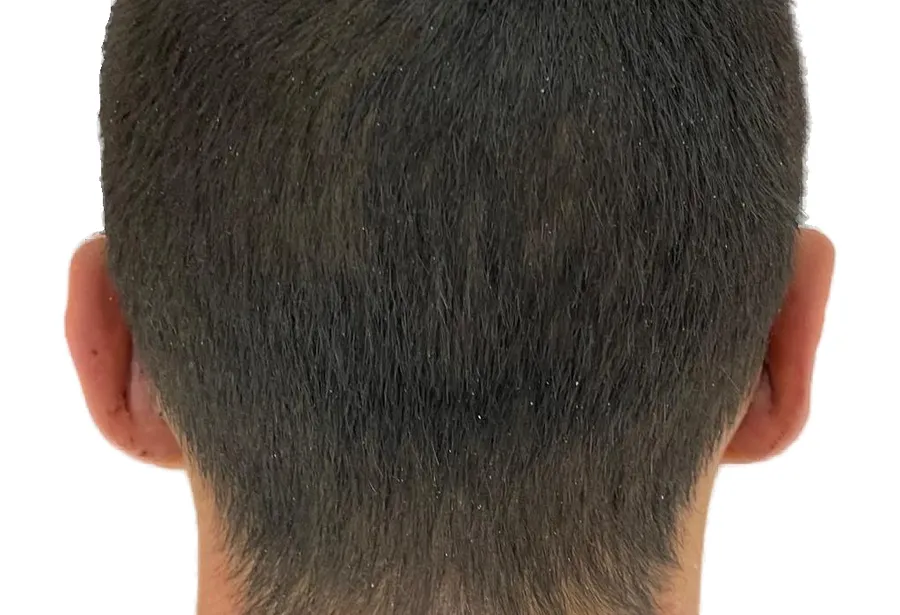
The results of the otoplasty were transformative for the boy — they improved his self-confidence and allowed him to feel more secure. Results vary from patient to patient.
Home the same day.
That is how long the procedure usually takes, depending on the extent of the correction.
Patients can usually return home right after the procedure.
The incisions are placed behind the ear — practically invisible.
Otoplasty is one of the procedures of our head and neck plastic surgery centre.
Medically reviewed by: Dr. Zoran Kranjčec, subspecialist in head and neck plastic surgery · Content last reviewed:
Otoplasty — common questions from parents and patients.
From what age can otoplasty be done in children?
The ear cartilage is sufficiently developed at around 5 to 6 years of age, so otoplasty is often done before starting school — to spare the child from teasing. The procedure is performed just as successfully in teenagers and adults.
What anaesthesia is used for ear correction?
In adults and older children the procedure is most often performed under local anaesthesia with sedation, and in younger children under general anaesthesia. The decision is made at the consultation, depending on the child's age and cooperation.
Does otoplasty hurt and what is recovery like?
The procedure itself is painless. A dressing is worn for a few days after surgery, followed by an elastic band overnight. Mild discomfort is controlled with ordinary painkillers, and most people return to normal activities within a week.
Are otoplasty results permanent?
Yes. The reshaped cartilage keeps its new position permanently — otoplasty is generally done only once.
Are scars visible after ear correction?
The incisions are placed behind the ear, in the natural fold, so the scars are practically invisible.
Book an otoplasty consultation
For you or your child — honest advice and a personalised plan. Tel. +385 23 324 881
Book a consultation →