Bridge and profile
A hump on the bridge, a crooked nose or a nasal size that is out of proportion with the face.
 Hrvatski
 English✓
Surgery to address nasal appearance and function, with an individual plan. Start with a conversation about your wishes, breathing and the options that suit your face.
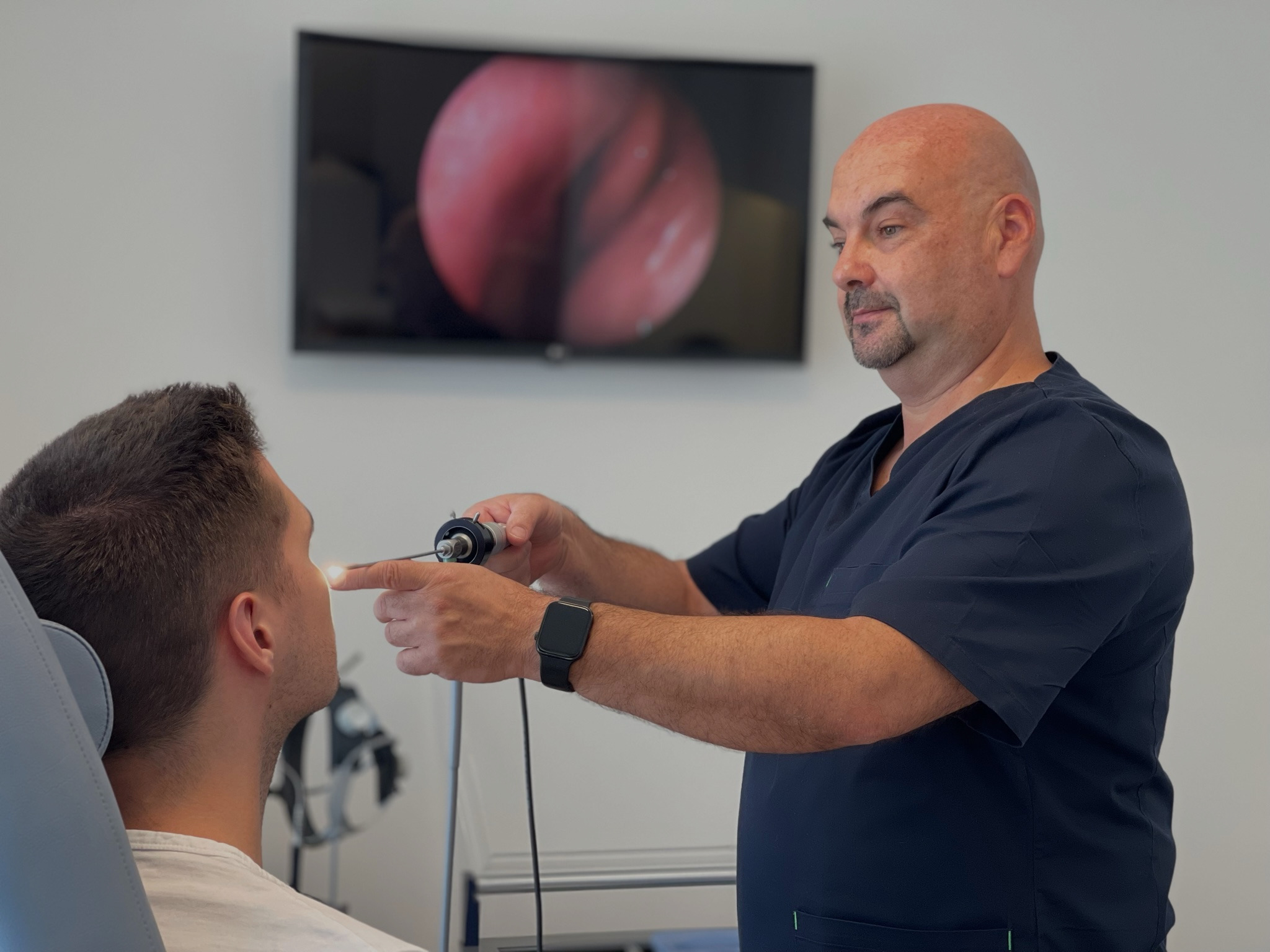
These photographs show examples of rhinoplasty results. Each procedure is planned around the patient’s anatomy, nasal function and goals.
Browse different examples before and after surgery. Each comparison shows an individual result.
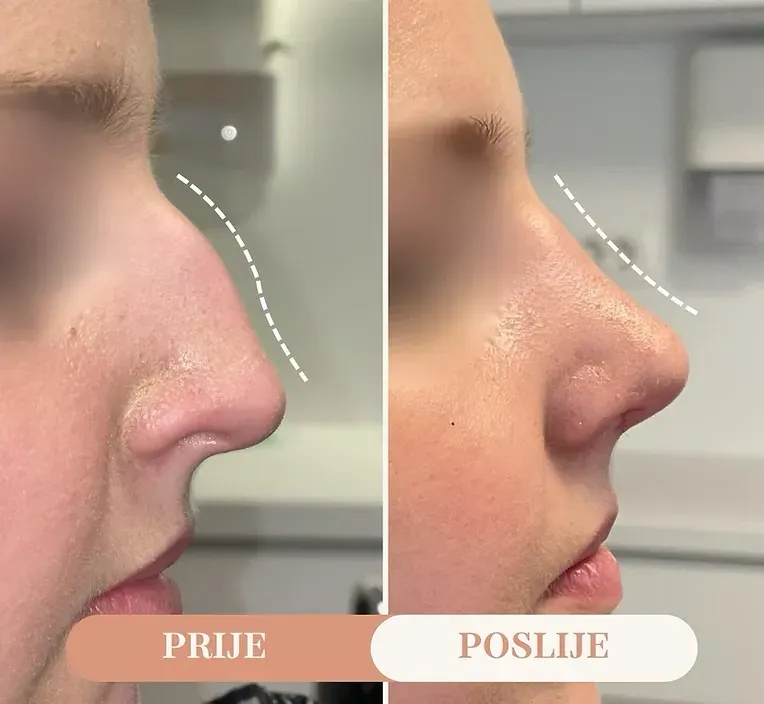
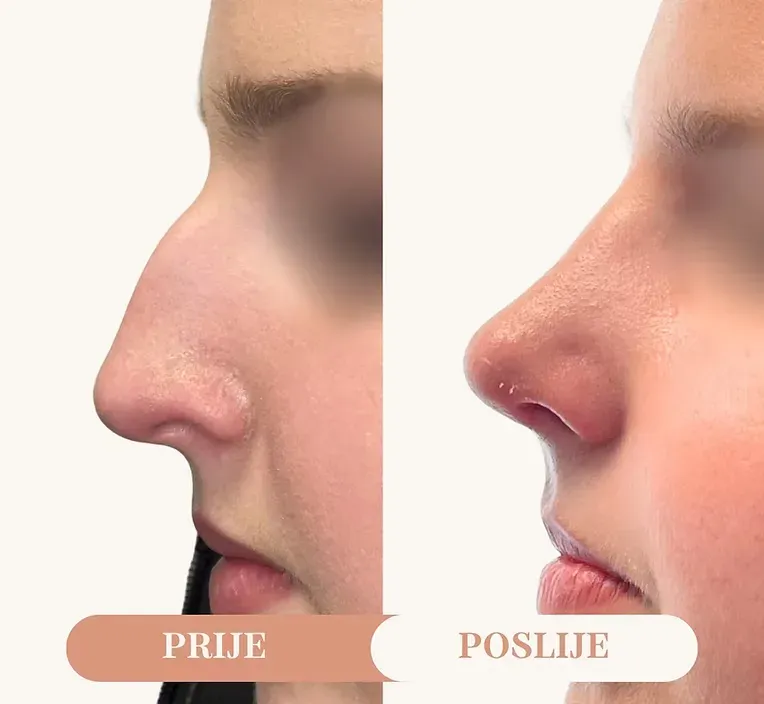
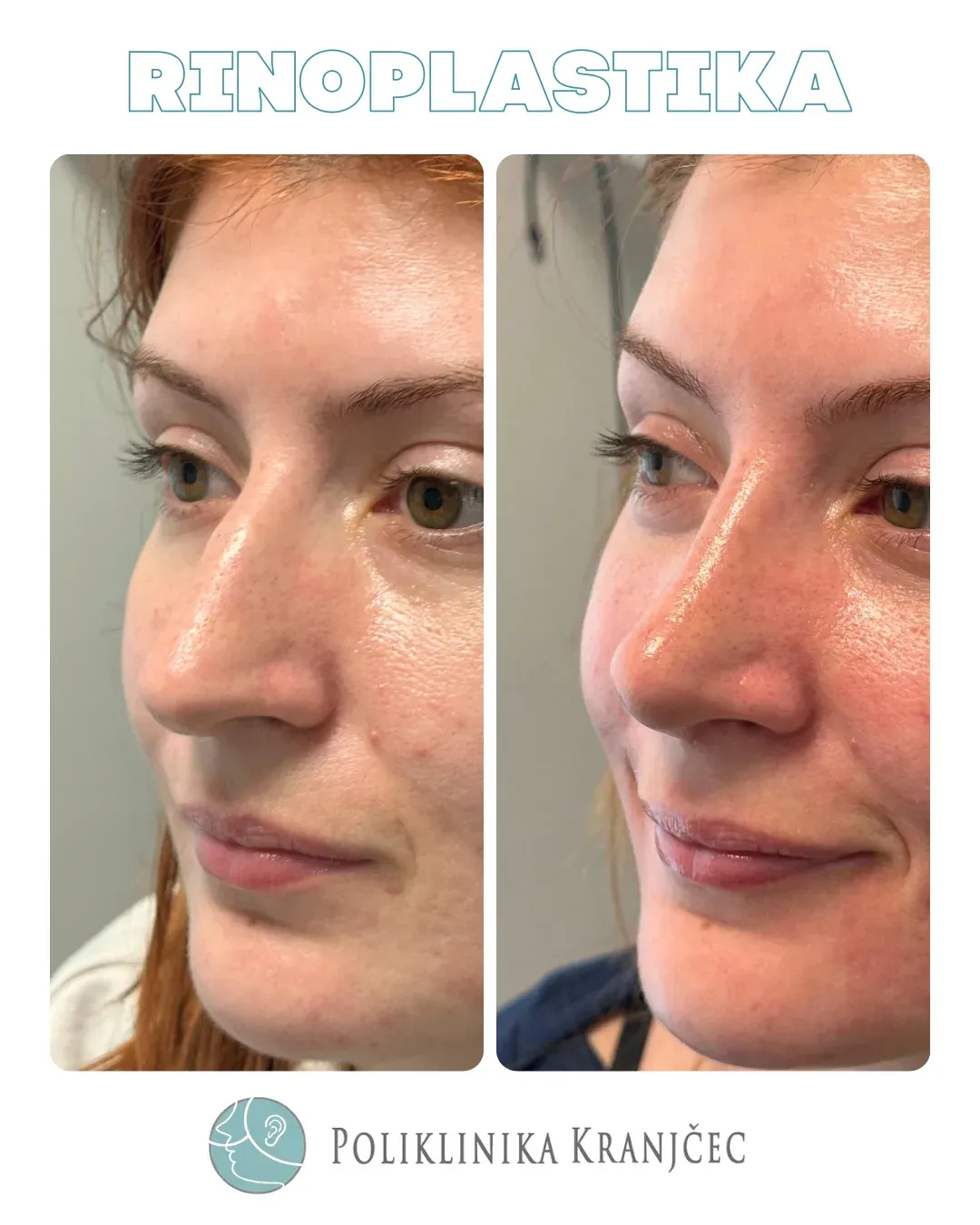
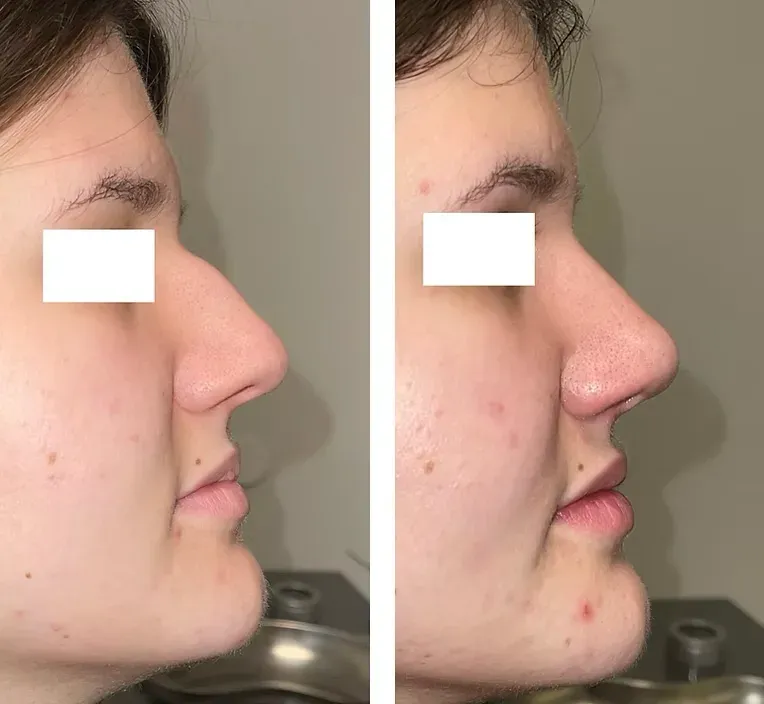
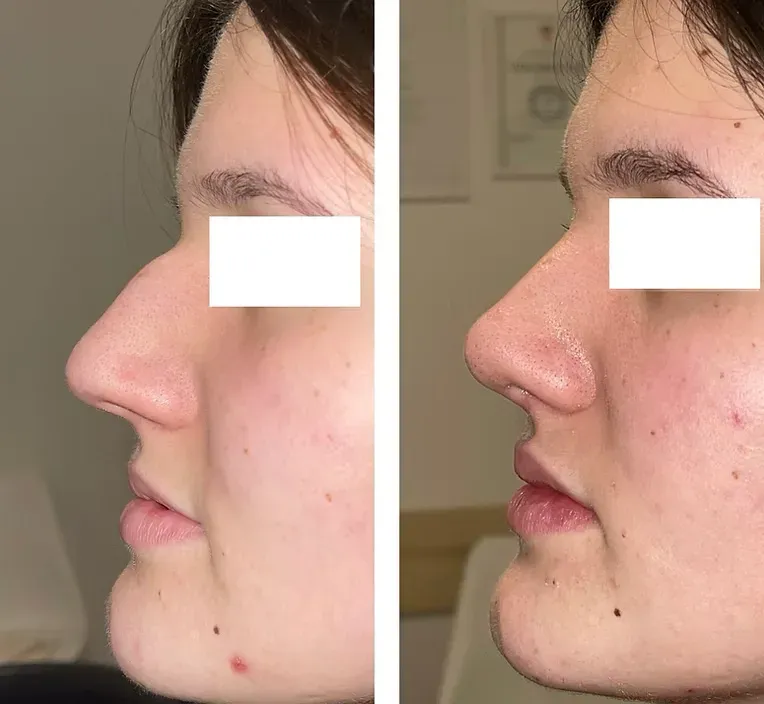
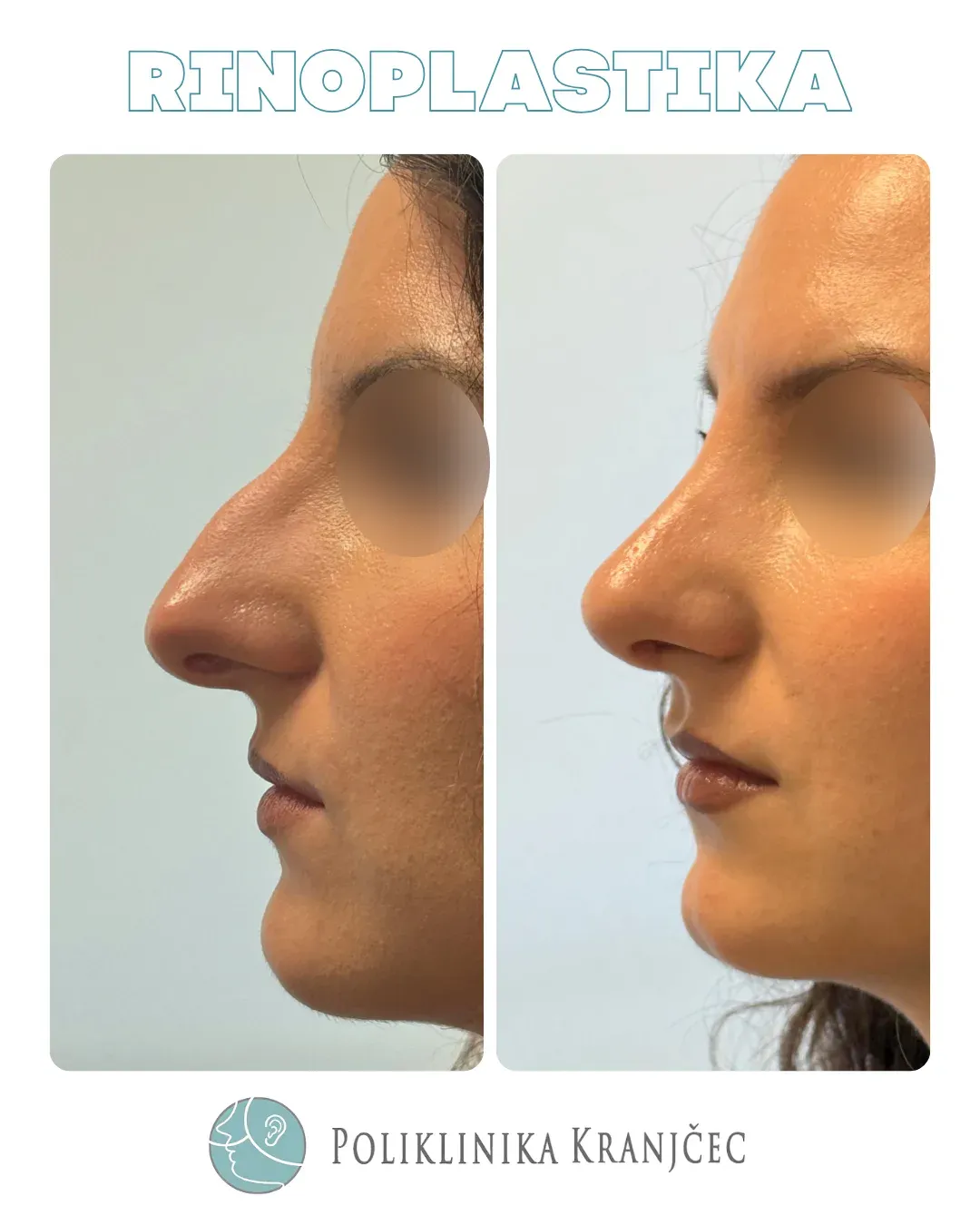
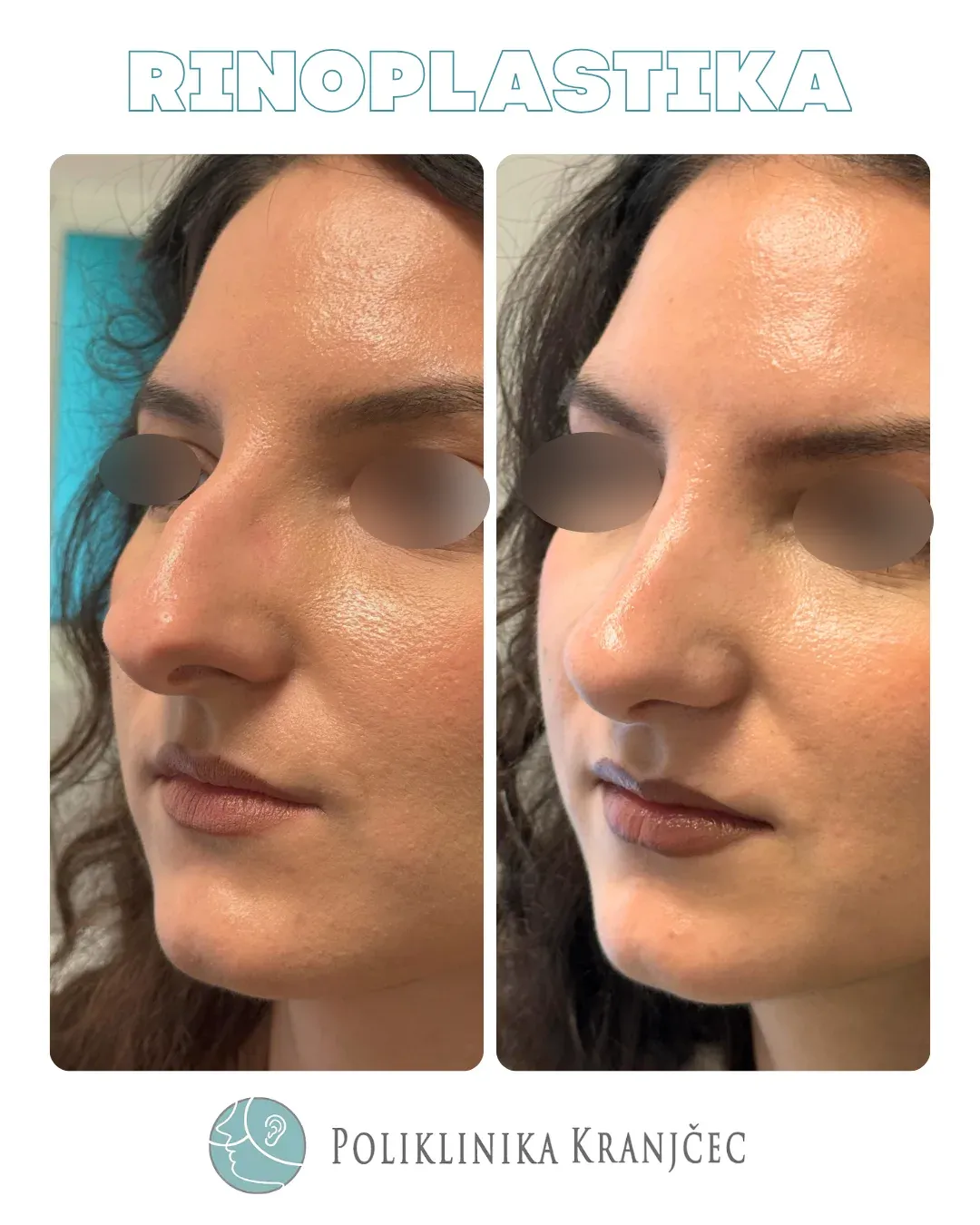
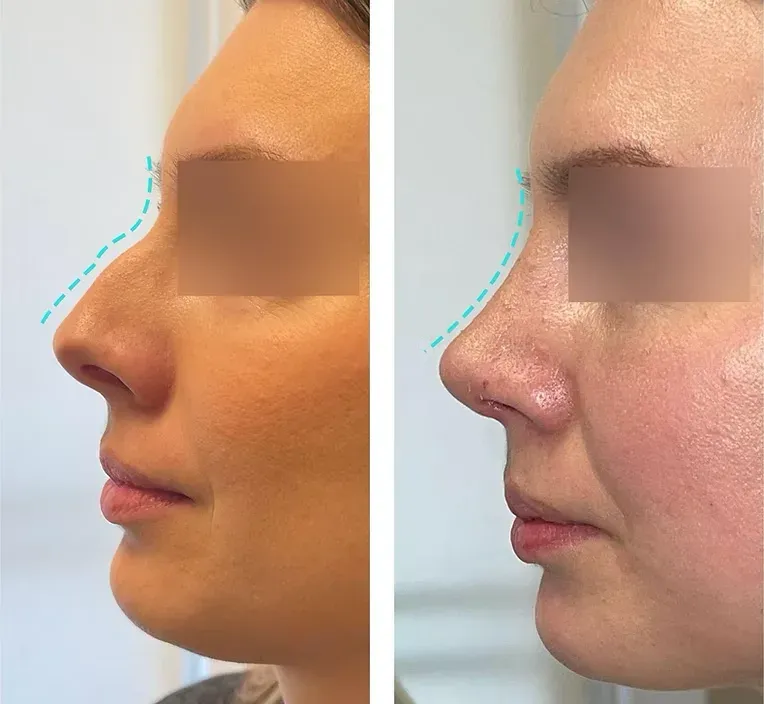
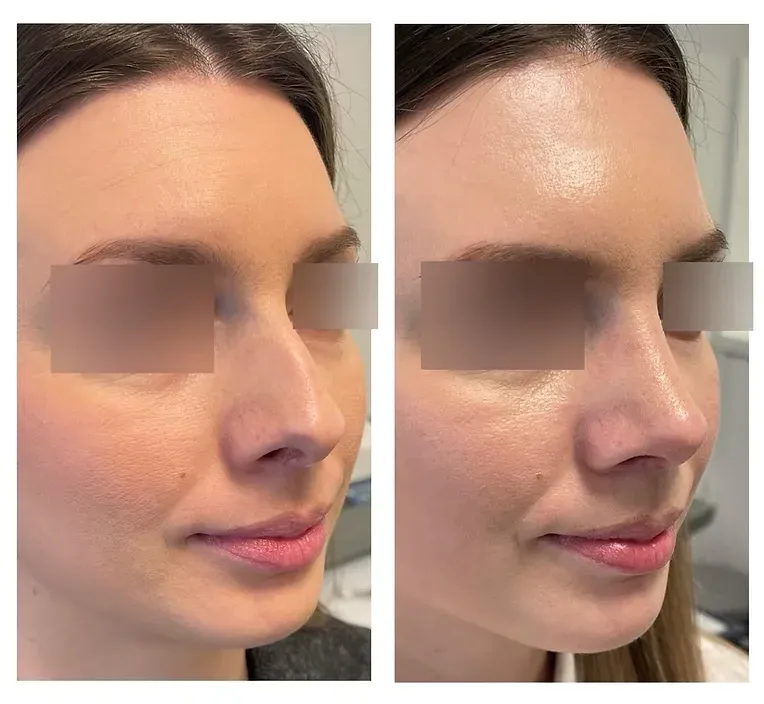
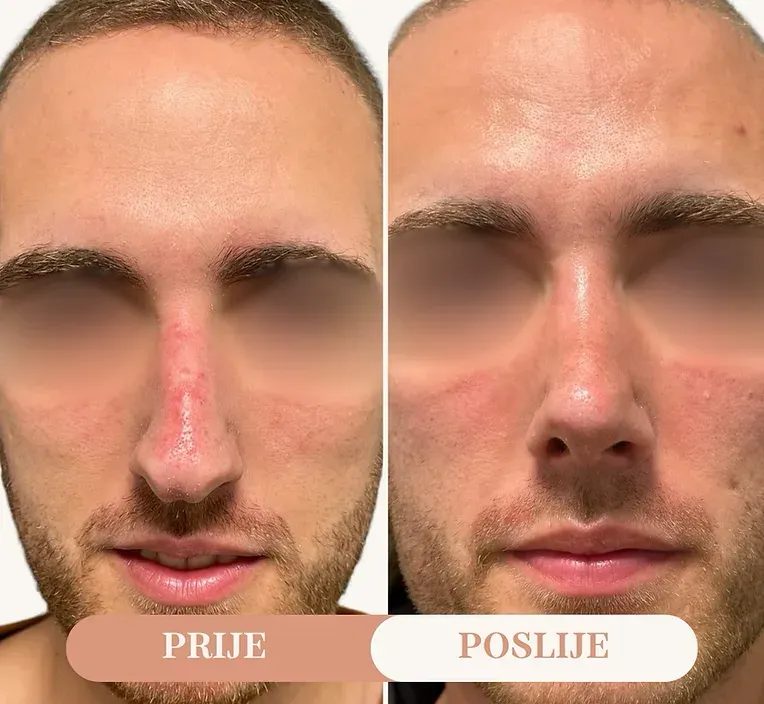
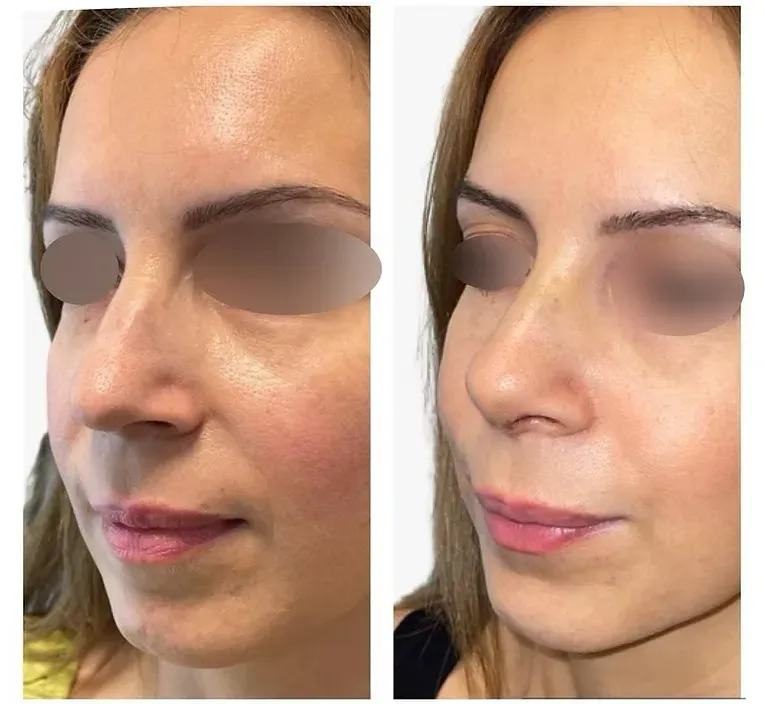
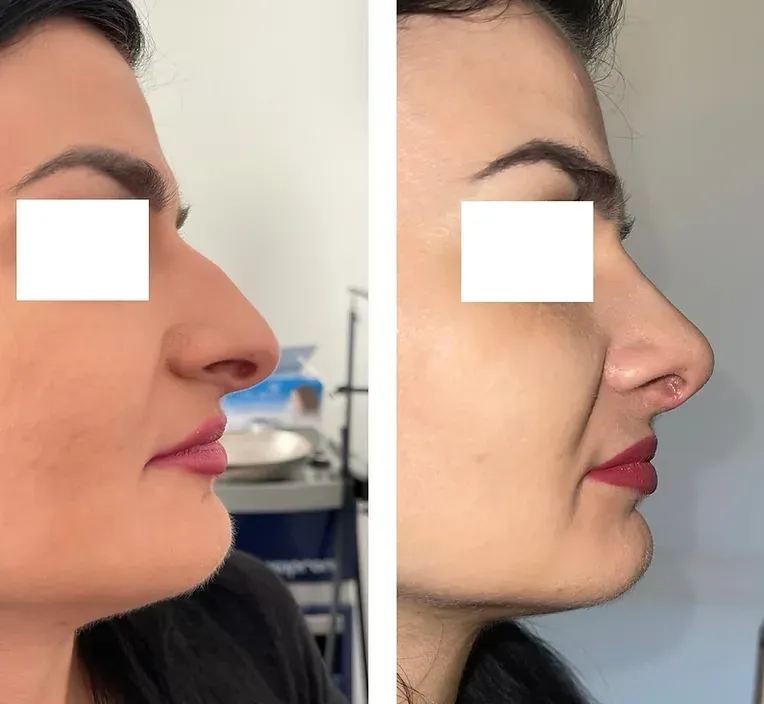
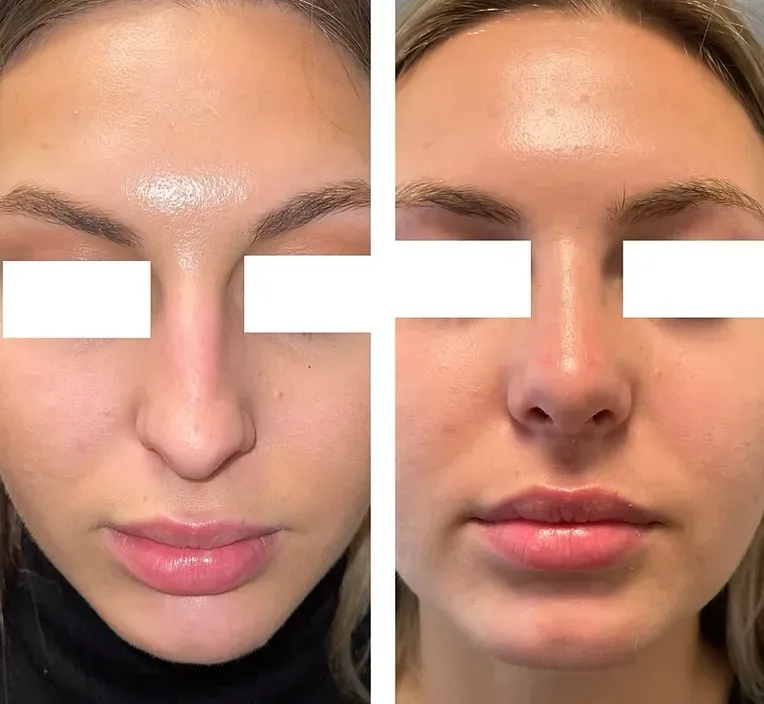
Results are individual. These photographs do not guarantee the same outcome for other patients.
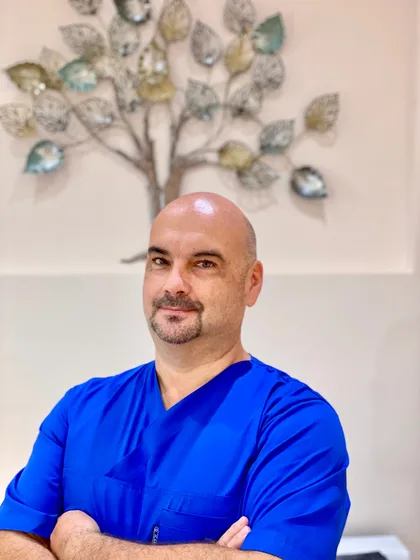
ENT specialist and subspecialist in head and neck plastic surgery
Dr. Zoran Kranjčec approaches rhinoplasty by assessing both nasal appearance and function. The consultation considers your facial proportions, nasal structure and breathing concerns.
You will discuss your wishes, health, medications and the possibilities and limitations of surgery. The aim is to agree on a realistic, individual plan.
Rhinoplasty can change the shape and size of the nose. Where appropriate, correction of the nasal septum may also be considered to improve breathing.
A hump on the bridge, a crooked nose or a nasal size that is out of proportion with the face.
A protruding or drooping tip and the relationship between the tip, bridge and the rest of the face.
A deviated septum and difficulty breathing. Aesthetic and functional correction may be considered in the same operation.
Learn about an ENT consultationDiscuss nasal appearance, breathing and your goals with Dr. Kranjčec. The examination includes an assessment of your nose and health.
Agree on the scope of surgery, necessary assessments and preparation. The expected outcome, limitations and possible risks are explained.
After surgery, you receive care instructions and arrange follow-up appointments. Your return to activities is tailored to your recovery.
Your nose changes gradually as swelling settles. Plan time for recovery and follow the instructions provided after surgery.
Swelling, bruising, congestion and discomfort can occur. Follow your doctor’s instructions for nasal care and medication.
Discuss your return to work, exercise and other activities with your surgeon. Follow-up visits help monitor healing and progress.
The nasal shape, particularly the tip, gradually becomes more defined. The final appearance can take up to a year to develop.
Rhinoplasty usually takes 1.5 to 3 hours, depending on the extent of surgery, and is most often performed under i.v. anaesthesia. The exact plan for surgery and your stay afterwards is agreed individually.
Where clinically appropriate, aesthetic surgery can be combined with correction of the nasal septum (septorhinoplasty). As an ENT specialist, Dr. Zoran Kranjčec assesses nasal function and treatment options during the examination.
Swelling, bruising, congestion and discomfort can occur at first. You will receive instructions about care, medication and follow-up. The intensity of symptoms and recovery time vary between individuals.
In general, surgery is considered after nasal growth is complete. Suitability and timing are assessed individually, alongside a discussion of your health and expectations.
Surgical prices are available in the clinic’s price list, which is in Croatian. The scope of the procedure and what the price includes will be clarified during your consultation after the examination.
No referral is needed. Book by calling +385 23 324 881 or using the contact form. Bring relevant medical reports and a list of your medications.
Share your wishes and questions. At your consultation, explore the options for your nose and what your treatment plan could involve.
Ulica Postrojbi Specijalne Policije 5, Zadar, Croatia