
Keloid scar — laser treatment
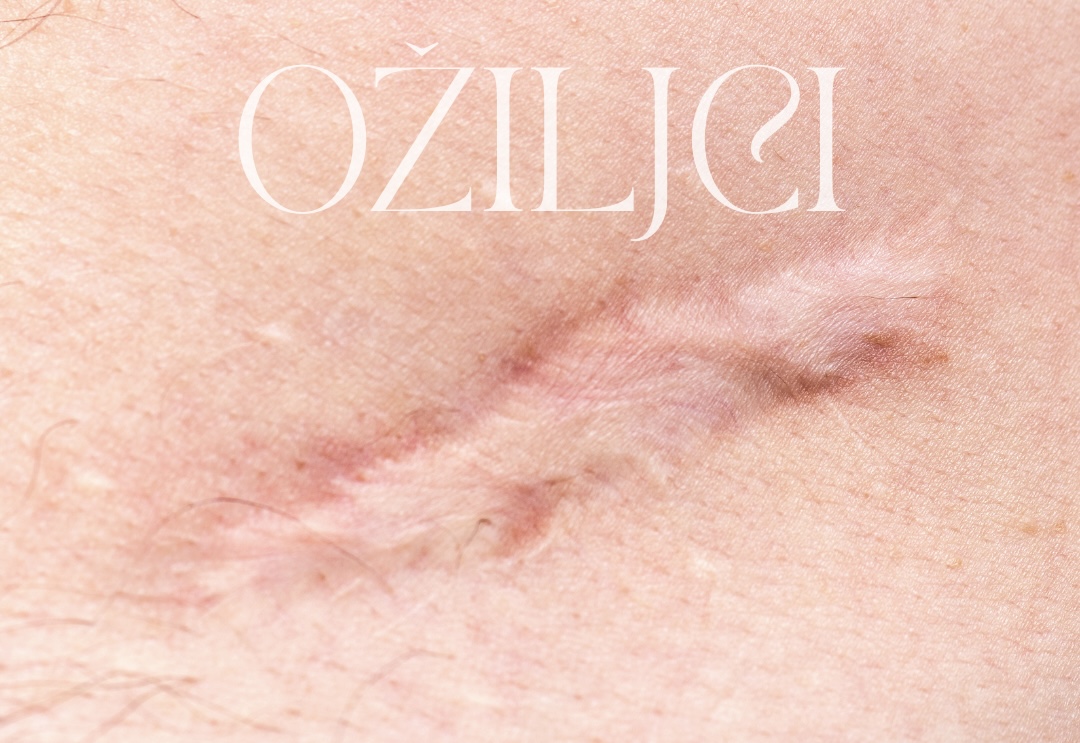
A keloid is not an "ordinary scar". It is a form of excessive healing in which scar tissue continues to grow beyond the boundaries of the original wound. It can be hard, raised, reddish or darker, and often itches, burns or hurts to the touch.
1. What is a keloid and how does it differ from a hypertrophic scar?
A keloid: grows beyond the boundaries of the original wound/incision, can keep growing for months or years, is often hard, tense, itchy or painful and is prone to recurrence — especially after surgical removal without additional therapy.
A hypertrophic scar: raised, but stays within the boundaries of the wound; often partially calms over time and is less prone to "uncontrolled" growth.
The difference is key because the treatment strategy differs.
2. Why do keloids form?
The formation of a keloid depends on a combination of factors: genetics and an individual tendency to excessive healing, local skin tension and micro-movements (shoulders, chest, back), inflammation, infection or prolonged wound healing, skin type and phototype, and repeated trauma (e.g. piercing, acne, constant friction).
Keloids can appear after: surgical incisions, piercings (ears), acne (especially on the chest and back), burns and trauma, and less often after vaccination or minor injuries.
3. Where do keloids most often occur?
The most common locations are the breastbone and chest, shoulders and upper arms, back, earlobes (piercing), and less often the neck. These regions have greater skin tension and often a stronger tendency to hypertrophic healing.
4. What is the goal of keloid treatment?
With a keloid, the goal is not to "perfectly smooth the skin in one go". The goal is realistic and medical: to reduce activity and symptoms (itching, pain, burning), reduce the volume and hardness of the scar, improve the colour and visibility (when possible) and prevent further growth and reduce the risk of recurrence.
A keloid is treated as a condition that tends to recur — that is why the plan is made in phases.
5. Is the laser a solution for keloids?
The laser can play a role, but it is not a universal solution and is not the first choice for every keloid. In practice, laser therapy (depending on the type and phase of the scar) can help reduce redness in active keloids, improve surface texture and encourage controlled remodelling in selected cases.
With keloids, the most important things are: not to provoke the tissue aggressively, to combine approaches when needed, and to treat at the right timing and with realistic expectations.
A treatment plan in phases.
1. Differentiation
A keloid or a hypertrophic scar? This is the first step because it completely changes the treatment plan.
2. Activity assessment
Is the scar growing, is it red and vascularly active, is there pain, itching and sensitivity, what is the hardness, tension and location.
3. A phased plan
Goals (symptoms / volume / colour / stabilisation), the choice of a conservative approach, and the intervals of check-ups and response monitoring.
7. How many treatments are needed?
With keloids there is no "single number" — it depends on the size and age of the keloid, the activity (growing vs. stable), the location (e.g. the breastbone is more demanding), and previous treatment attempts and reactions. We usually talk about a plan over several visits, with monitoring over time.
8. Recovery and what to expect
Recovery depends on the type of procedure and intensity, but with keloids the most important things are: not to irritate the area mechanically (friction, pressure), strict photoprotection (because of the risk of pigment changes) and monitoring the symptoms — itching and pain can be a sign of activity. You receive clear written care instructions and a check-up plan.
9. Who is a good candidate for treatment?
A good candidate is someone who has a diagnosed keloid or suspected keloid, has symptoms (itching, pain) or an aesthetic/functional disturbance, wants a medical plan in phases with realistic expectations, and understands that the goal is stabilisation and improvement, not "erasing". If you have a history of multiple keloids, that is important information for the plan and risk assessment.
What patients most often ask.
How do I know whether it is a keloid or a hypertrophic scar?
A keloid grows beyond the boundaries of the wound and can spread. A hypertrophic scar stays within the boundaries. We make the definitive assessment clinically at the examination.
Can a keloid be removed completely?
Complete removal without a risk of recurrence is not a realistic promise. The goal is to reduce symptoms and volume and stabilise the scar, while reducing the risk of recurrence.
Is surgical removal a good idea?
Removal alone often carries a high risk of recurrence if not combined with additional therapies. That is why the plan is always made individually.
Can I treat a keloid in summer?
Sometimes yes, but with strict photoprotection and a cautious approach. UV exposure increases the risk of pigment changes.
Why does a keloid itch or hurt?
This can be a sign of scar activity and tissue tension. That is exactly why the symptoms are part of the assessment and plan.
Once a month — free consultations.
Once a month we hold a day of free consultations at Crystalia. All patients registered for consultations that day receive:
We analyse your skin, the type of scar or other concerns with a detailed history of past conditions.
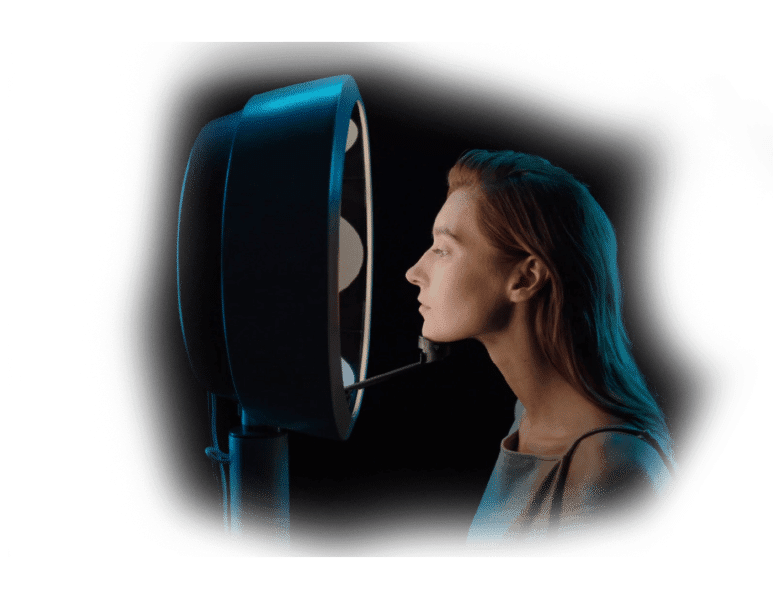
We digitally measure the texture, pigmentation, redness and structure of the skin to see what is often invisible to the eye.
You receive a clear, structured plan — the number of treatments, intervals, realistic expectations and the long-term goal.
Click the category that interests you.
Book a consultation
Crystalia — Laser Regeneration Institute · Postrojbi specijalne policije 5, Zadar · Tel. 023-324-881 · crystalia.institute@gmail.com
Book a consultation →