
Laser pilonidal sinus treatment
Laser precision for a faster recovery. A minimally invasive method with a thin probe instead of a conventional incision — less pain, a smaller scar, fewer recurrences.
What is a pilonidal sinus?
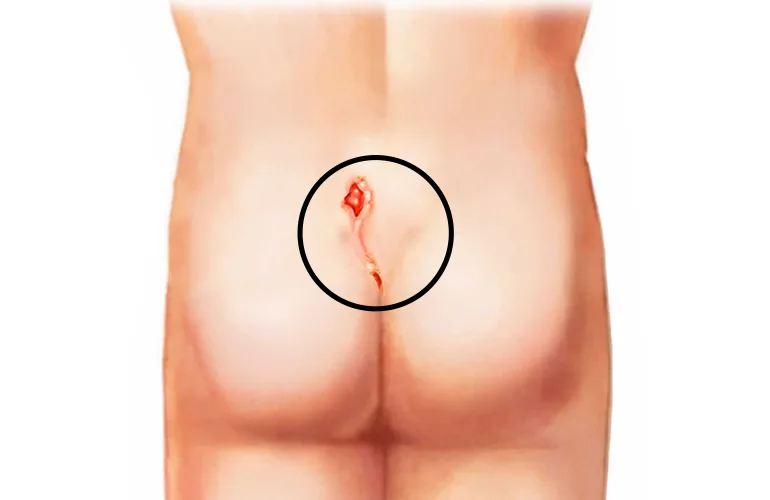
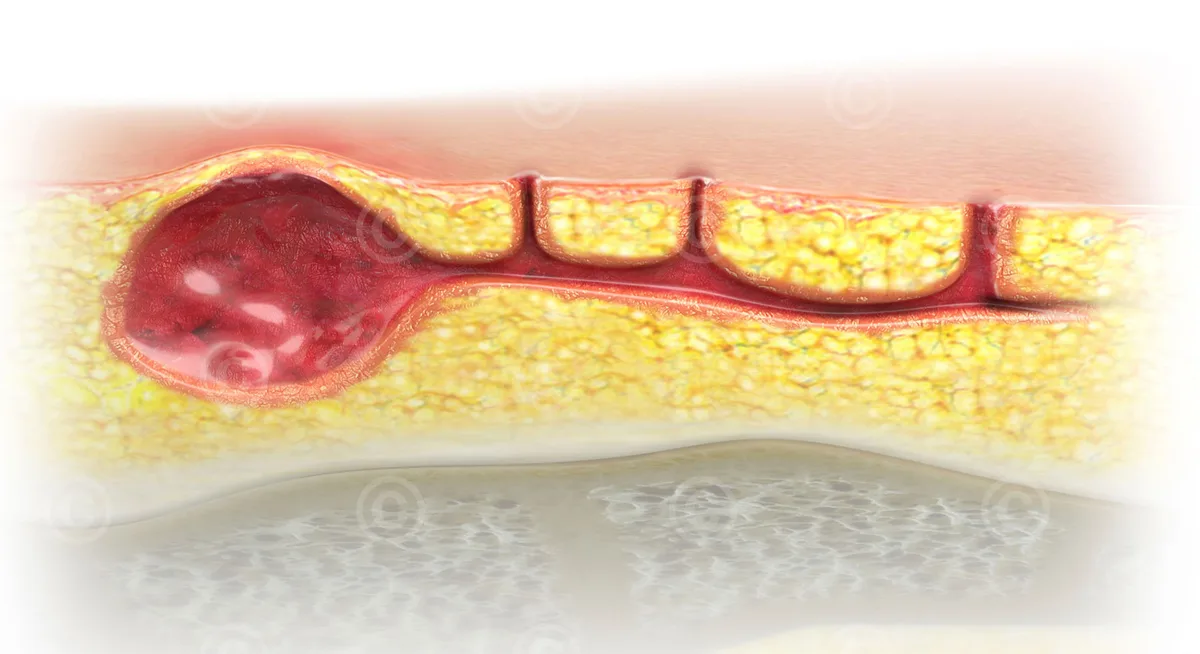
A pilonidal sinus is an inflammatory condition that occurs in the area between the buttocks, usually near the lower back. It is characterised by the formation of a cavity or sinus tract under the skin that fills with hair, skin cells and debris.
The condition can cause discomfort, pain and inflammation, and requires appropriate treatment to prevent complications. It most often occurs in people who spend long periods sitting, have excessive hair in the area, or are prone to sweating. A genetic predisposition can also play a role.
The laser procedure is performed minimally invasively, usually as an outpatient procedure — you go home the same day, and most patients return to everyday activities within a few days.
Conventional vs. laser treatment.
Conventional treatment involves surgically opening and cleaning the sinus cavity and removing the infected tissue — effective, but it often requires a longer recovery period and can result in visible scars. There is also a greater chance of recurrence.
Laser treatment uses a precisely directed laser beam that stimulates tissue healing, reduces inflammation and destroys bacteria. The result: a faster recovery, a smaller scar and a lower likelihood of the sinus reappearing.
Six reasons patients choose the laser.
Precision
The laser precisely removes the infected tissue without damaging the surrounding healthy structures.
Minimally invasive
A thin laser probe instead of a conventional incision — a smaller scar, less pain.
Lower infection risk
Laser energy has antimicrobial properties — a sterile procedure.
Faster recovery
Less tissue trauma — back to everyday activities in a few days.
Fewer recurrences
Targeted removal and stimulated regeneration — a better long-term result.
A better aesthetic result
A minimal scar and a cosmetically acceptable appearance of the treated area.
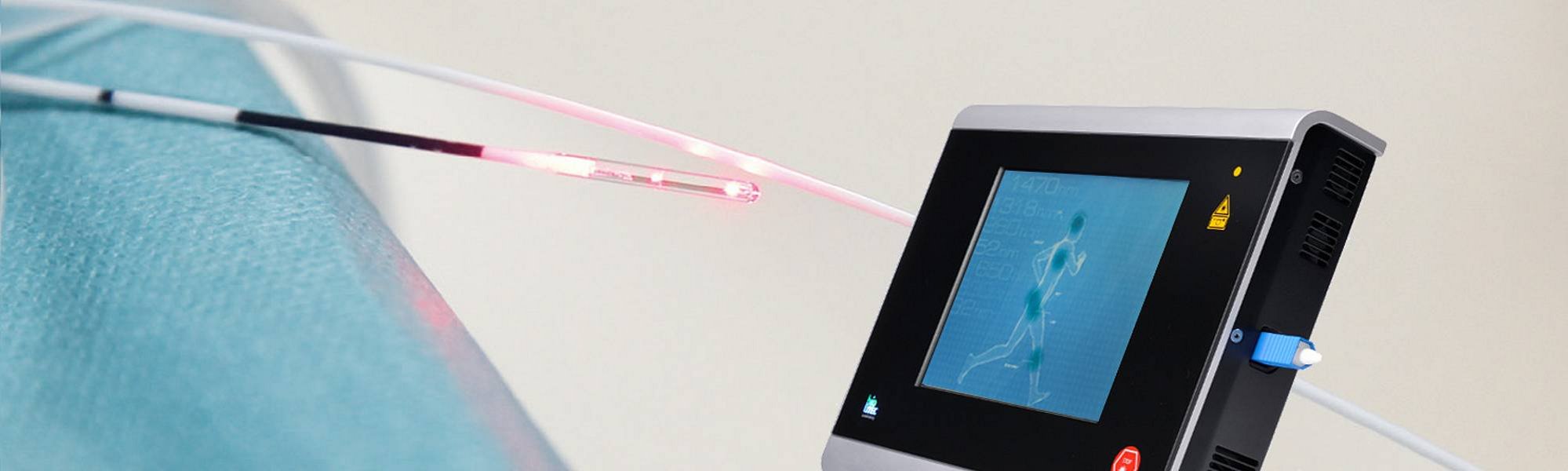
BioLitec Leonardo Dual 45.
Our polyclinic uses the most advanced technology for laser pilonidal sinus treatment — the BioLitec Leonardo Dual 45W. A first-class laser with 1064 nm / 1470 nm wavelengths delivers outstanding results with minimal discomfort for the patient.
Who leads the procedure.
General surgery specialists with a subspecialty in abdominal surgery, trained in Germany in laser proctology procedures.
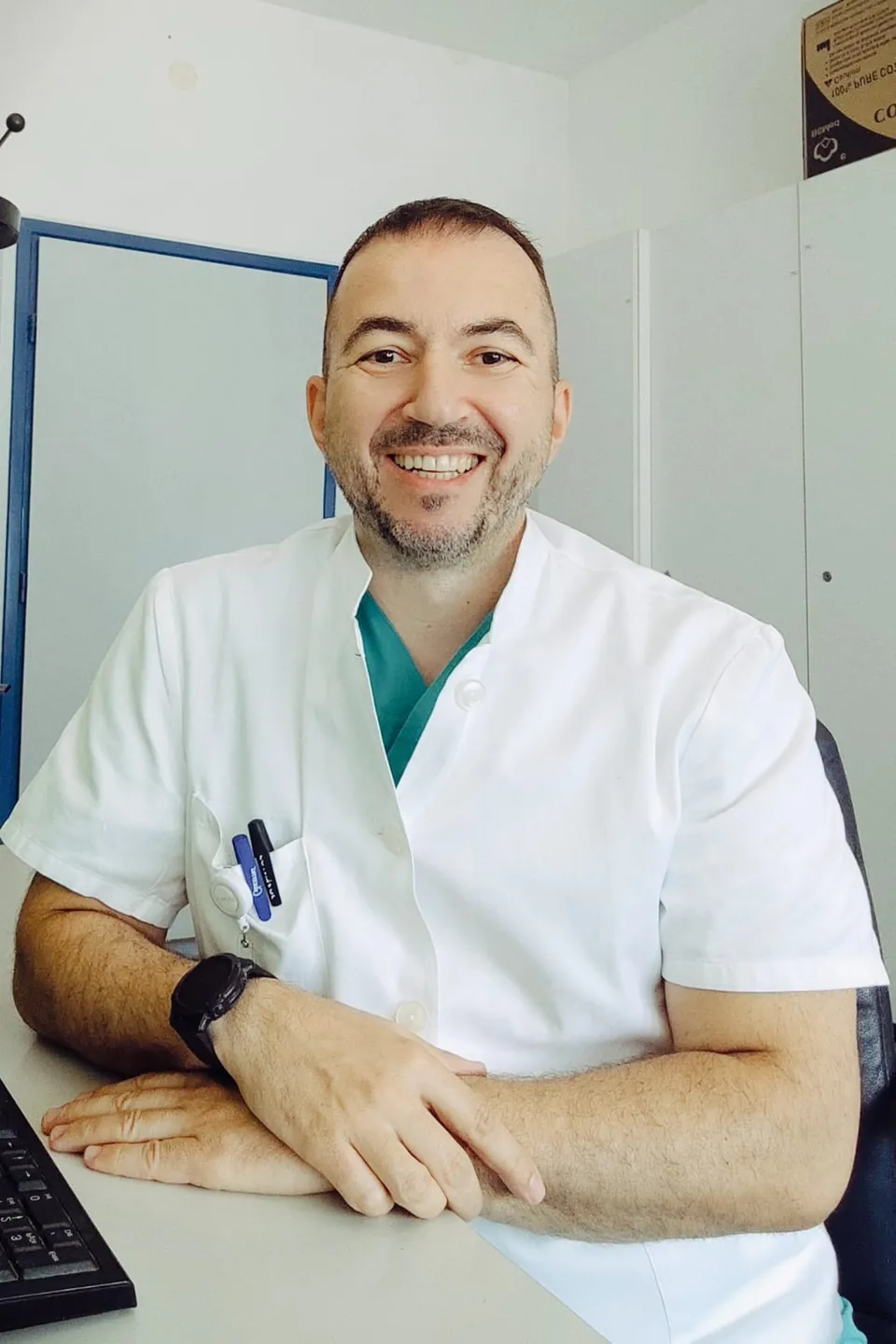
Dr. Zvonimir Katušić
general surgery specialist · subspecialist in abdominal surgery
View profile →
Dr. Dario Vukosav
general surgery specialist · subspecialist in abdominal surgery
View profile →Medically reviewed by: Dr. Zvonimir Katušić and Dr. Dario Vukosav, general surgery specialists · Content last reviewed:
Laser pilonidal sinus treatment — common questions.
Does laser pilonidal sinus treatment hurt?
The procedure is performed under anaesthesia, so you feel no pain during it. Because a thin laser probe is used instead of a conventional incision, pain and discomfort afterwards are considerably less than with conventional surgery, and the painful dressing changes of a large wound are avoided.
How long is recovery after a laser procedure?
It is a minimally invasive, usually outpatient procedure. Most patients return to everyday activities within a few days, and the exact recovery course depends on the extent of the sinus and the surgeon's assessment.
Will there be a scar?
Unlike conventional surgery with a large open incision, the laser method uses a small probe, so the scar is minimal and cosmetically acceptable.
What anaesthesia is used?
Depending on the extent of the procedure, local, spinal or short-term anaesthesia is used. The most suitable type is determined by the doctor after an examination and assessment of your condition.
Can a pilonidal sinus come back after treatment?
The laser method has a lower recurrence rate than many conventional procedures, but recurrence is not entirely ruled out. Regular hygiene of the area, hair removal and avoiding prolonged sitting reduce the risk of recurrence.
Do I need a referral and how do I book?
No referral is needed — the examination and procedure are carried out privately, without waiting. You book directly by phone at +385 23 324 881 or via the booking form.
Get back to normal life.
Without unpleasant symptoms, with a minimal scar. Book a consultation by phone: +385 23 324 881
Book an appointment →