

Pulmonology in Zadar
Fast and expert care for your breathing, led by Dr. Daniel Sekula. Modern diagnostics of the respiratory system — from spirometry to the work-up of asthma, COPD and chronic cough, with no referral and no waiting lists.
Symptoms not to ignore.
Respiratory complaints develop gradually, so they are easy to underestimate. A timely work-up prevents complications and improves quality of life. If you recognise any of these symptoms, do not delay a consultation.
- A persistent cough
A cough lasting more than eight weeks is considered chronic and warrants a pulmonology work-up, whether it is dry or productive. - Shortness of breath (dyspnoea)
A feeling of breathlessness on exertion or at rest may point to asthma, COPD or other diseases of the lungs and heart. - Wheezing in the chest
Whistling when breathing (wheezing) is often a sign of narrowed airways in asthma or obstructive lung disease. - Frequent respiratory infections
Recurrent bronchitis and airway infections may indicate an underlying chronic condition that should be investigated. - Coughing up blood (haemoptysis)
Blood in the sputum is always a reason for an urgent pulmonology work-up and should not be delayed. - Snoring and pauses in breathing during sleep
Loud snoring, pauses in breathing at night and daytime sleepiness may be signs of sleep apnoea. - Persistent fatigue with laboured breathing
Reduced stamina and tiredness with breathlessness may be the result of reduced lung function.
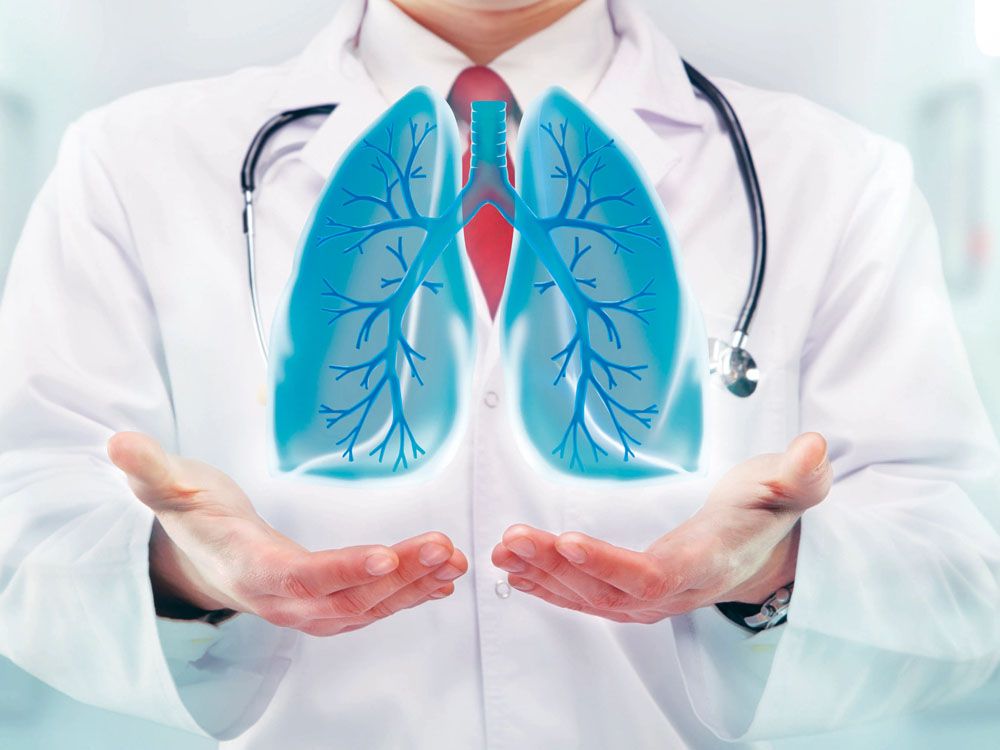
 Image generated by artificial intelligence
What we treat and monitor.
From the most common chronic respiratory diseases to monitoring recovery after infections.
Asthma
Diagnosis and control of this chronic inflammatory airway disease — spirometry, a treatment plan and monitoring.
COPD (chronic obstructive pulmonary disease)
Assessment of disease severity, therapy and advice to slow its progression, especially in smokers.
Chronic bronchitis
Work-up of long-standing bronchial inflammation with cough and sputum, and a treatment plan.
Chronic cough
A systematic search for the cause of a persistent cough — from the airways to reflux and allergies.
Allergic respiratory diseases
Work-up of allergic asthma and allergic rhinitis that burden breathing.
Airway infections
Diagnosis and treatment of acute and recurrent bronchitis and pneumonia.
Sleep apnoea
Recognising the signs of obstructive sleep apnoea and referral for further work-up.
Pulmonary aftereffects of infections
Monitoring of lung function after pneumonia and viral infections (including COVID-19).
A precise assessment of breathing.
Modern equipment for functional lung diagnostics. We perform most tests in a single visit, without waiting.
History, physical examination and auscultation of the lungs with an assessment of respiratory function.
Measurement of lung volumes and airflow — the fundamental functional test of the respiratory system.
A repeat spirometry after a medication that widens the airways — helps distinguish asthma from COPD.
Painless measurement of blood oxygen saturation for a quick assessment of breathing.
Your first visit, step by step.
No stress and no unknowns — you know what to expect from arrival to results.
Consultation & history
We discuss your symptoms, habits (smoking, allergies) and any previous findings in detail.
Clinical examination
A physical examination and auscultation of the lungs tailored to your symptoms.
Spirometry & measurements
If needed, we perform spirometry, a bronchodilator test and pulse oximetry right away.
Results & plan
We explain the findings in plain language and agree on therapy and next steps together.
Dr. Daniel Sekula — pulmonologist in Zadar
Internal medicine specialist · pulmonologist
A specialist in internal medicine with a pulmonology focus. His daily work involves the diagnosis and treatment of respiratory diseases — from asthma and COPD to the work-up of chronic cough and shortness of breath.
He places particular emphasis on functional respiratory diagnostics and on clearly explaining the findings and a treatment plan tailored to each patient. When needed, he collaborates with cardiologists and other specialists for a comprehensive work-up.
Medically reviewed by: Dr. Daniel Sekula, internal medicine specialist and pulmonologist · Content last reviewed:
Book a consultation →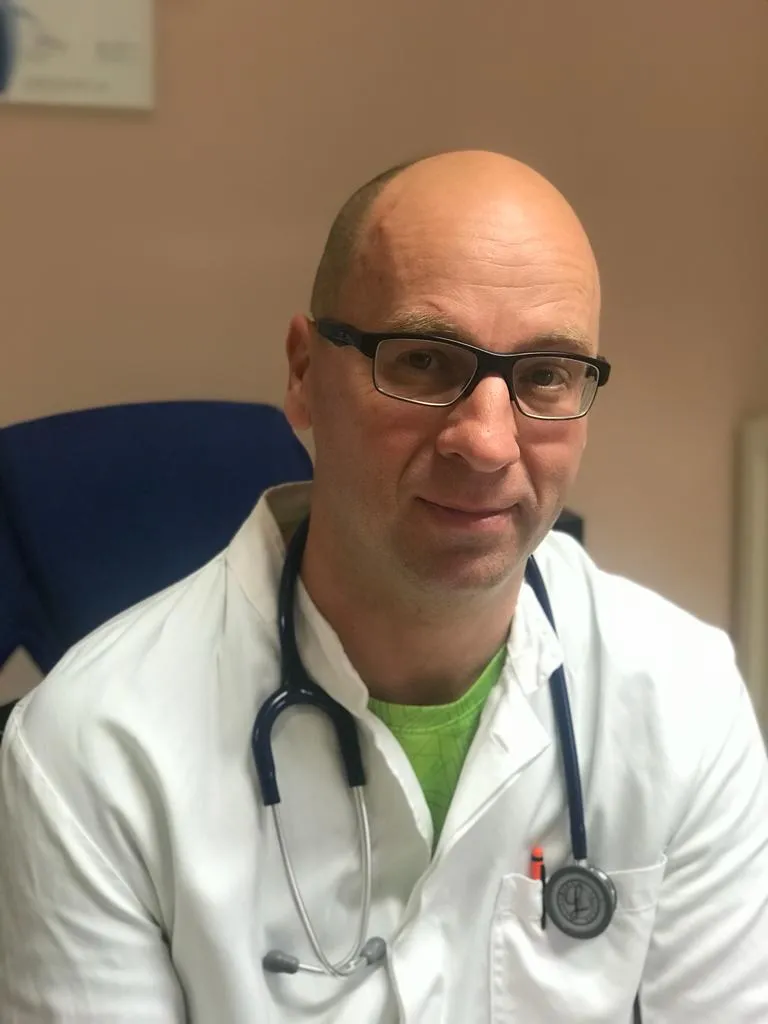
Pulmonology — patients' most common questions.
Do I need a referral for a pulmonology appointment in Zadar?
No. Appointments at Poliklinika Kranjčec are private, without a referral from a family doctor. You can book directly by phone or via the contact form.
How do I prepare for spirometry?
Come rested and avoid strenuous physical exertion, a heavy meal and smoking just before the test. If you use inhalers, let us know when booking — they sometimes need to be temporarily paused so the result is accurate. Wear comfortable clothing that does not restrict the chest.
Is spirometry painful?
No. Spirometry is a completely painless test. You breathe through a mouthpiece following the doctor's instructions — take a deep breath in and blow out forcefully. The test takes a few minutes and is sometimes repeated after a medication that widens the airways.
What is the difference between asthma and COPD?
Asthma is usually a reversible inflammatory airway disease, often linked to allergies, that also appears at a younger age. COPD is a permanent, progressive disease most often linked to years of smoking. Spirometry with a bronchodilator test helps distinguish them and determine the right therapy.
When should a persistent cough be examined?
A cough lasting more than eight weeks is considered chronic, and a pulmonology work-up is recommended. Seek help sooner if the cough is accompanied by coughing up blood, shortness of breath, weight loss or fever.
Do I get my results immediately after the examination?
Yes. We perform the examination, spirometry and pulse oximetry in a single visit, and you receive the results and recommendations the same day, with a clear explanation and a treatment plan.
How long does a pulmonology examination take?
A first examination with a functional work-up (spirometry, and if needed a bronchodilator test and pulse oximetry) usually takes between 30 and 45 minutes. Follow-up examinations are generally shorter. We schedule appointments so there is enough time to talk and explain the findings, without rushing.
What should I bring to a pulmonology examination?
Bring any previous medical documentation related to breathing (earlier spirometry results, chest X-rays or CT scans, discharge letters) and a list of the medications and inhalers you use. If you use inhalers, let us know when booking, as they sometimes need to be temporarily paused before spirometry. Wear comfortable clothing that does not restrict the chest.
Poliklinika Kranjčec, Zadar.
Ulica Postrojbi Specijalne Policije 5, 23000 Zadar, Croatia · Tel. +385 23 324 881
When to book an appointment?
If you feel short of breath, have a persistent cough, wheeze when breathing or feel fatigued — book an appointment. Tel. +385 23 324 881 · E-mail: poliklinika.kranjcec@gmail.com
Book an appointment →